Login with Google


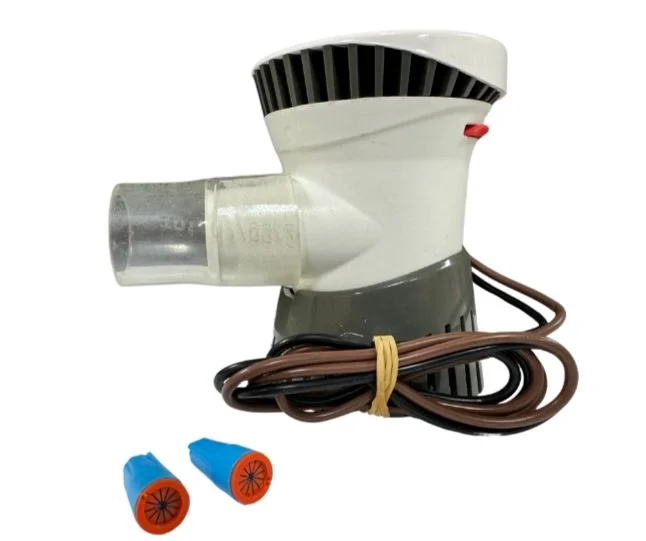
Open water on cold mornings instead of a frozen lid. The Water Rippler Dual Power floats on your stock tank and keeps the whole surface moving so ice has a harder time forming.
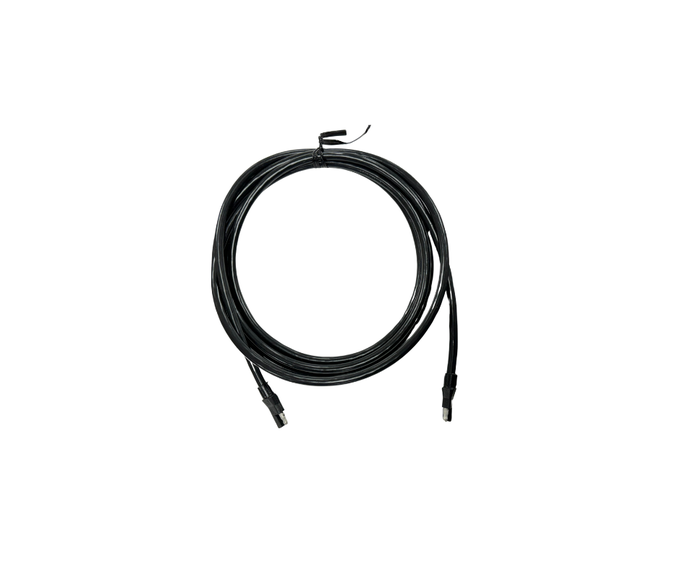
It runs from a standard 120V outlet or from your own 12V battery and solar setup, and both cords ship in the box. That matters when one tank sits by the barn and another is out in the pasture with no outlet in reach.
The pump draws 50 watts. A typical 1,500 watt tank heater draws 30 times as much, so the Rippler uses far less electricity over a winter.
Moving water does not freeze as readily as still water. The Rippler sits on the surface and pushes water out through four outlet caps, which keeps the surface rippling across the whole tank, much like a river. In warm months the same movement discourages mosquitoes from laying larvae on the surface and slows algae growth.
The Rippler manages ice, it does not eliminate it. The maker reports good results down to about 0°F. Near -22°F a layer of ice forms on top while the water underneath keeps circulating, which limits thick buildup.
Results depend on wind, tank size, insulation, location and humidity. In the coldest stretches some owners add an electric tank heater and pull it once temperatures climb.
The pump draws 50 watts, so a month of running around the clock is about 36 kWh. A 1,500 watt tank heater running around the clock would use 1,080 kWh. Heaters cycle on a thermostat, so their real use is lower, but even at six hours a day the gap is large. Your electric rate sets the dollars; here is the math at two common rates.
| Electric rate | Water Rippler, 24 h a day | 1,500 W heater, 6 h a day | 1,500 W heater, 24 h a day |
|---|---|---|---|
| $0.15 per kWh | $5.40 a month | $40.50 a month | $162 a month |
| $0.20 per kWh | $7.20 a month | $54.00 a month | $216 a month |
30-day month. 50 W x 24 h x 30 = 36 kWh; 1,500 W x 6 h x 30 = 270 kWh; 1,500 W x 24 h x 30 = 1,080 kWh. The maker quotes up to 97% lower running cost than a 1,500 watt heater, which is this same math with both running all the time. The Rippler slows ice rather than removing it, so some owners still run a heater during the coldest stretches.
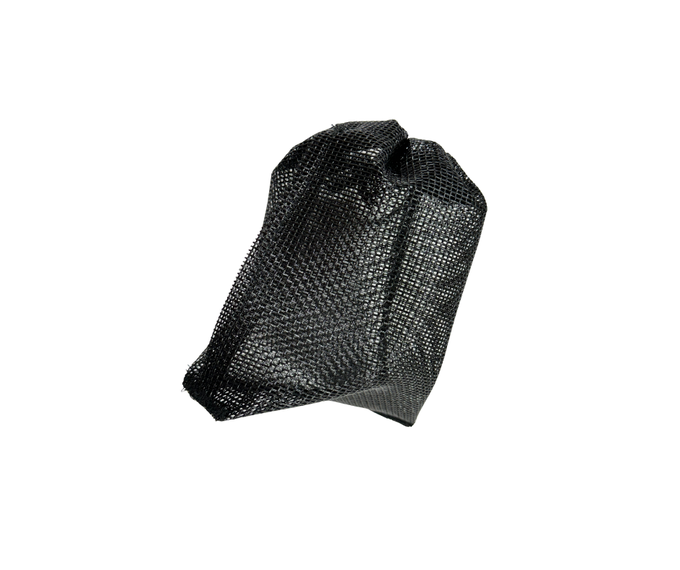
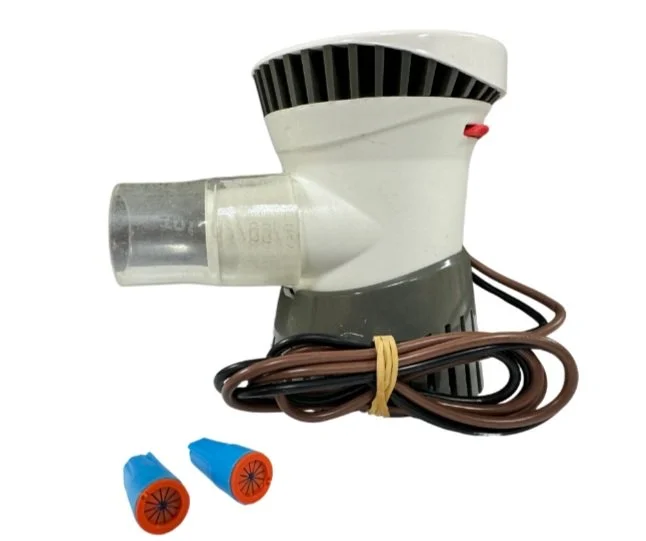
All three models share the same 12" x 12" HDPE body, the same 50 watt 12V DC pump with filter screen, and the same cap set. They differ only in how you power them.
Swipe sideways to compare all three.
| Electric | Solar | Dual Power (this page) | |
|---|---|---|---|
| Power source | Standard 120V outlet through the included outdoor-rated AC/DC converter | Your own 12V battery and solar panels | Either one: outlet or your solar setup |
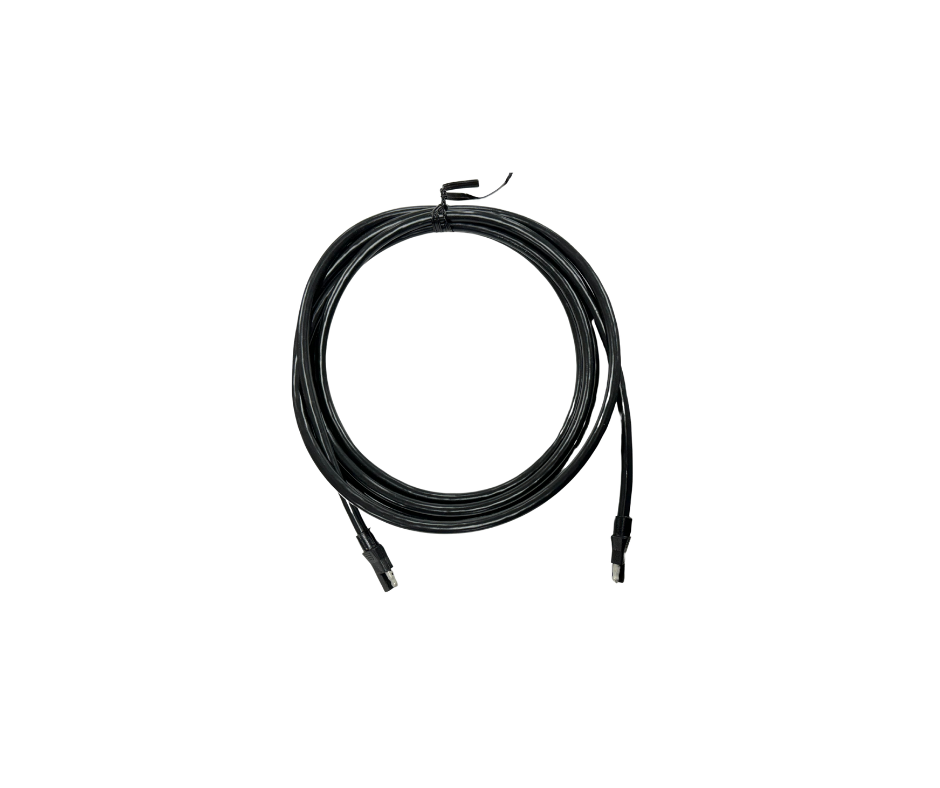
| Cords in the box | 6 ft power cord and AC/DC converter | 6 ft power cord and 15 ft solar cable with ring terminals | 6 ft power cord, AC/DC converter and 15 ft solar cable |
| You supply | An outlet, GFCI recommended | Battery, panels and an MPPT charge controller | An outlet, or battery, panels and controller |
| Best for | Tanks by the barn or anywhere a cord reaches | Remote tanks with no outlet nearby | Tanks that move between the barn and the pasture, or keeping both options open |
| Page | Water Rippler – Electric Powered | Water Rippler – Solar Powered | You are here |
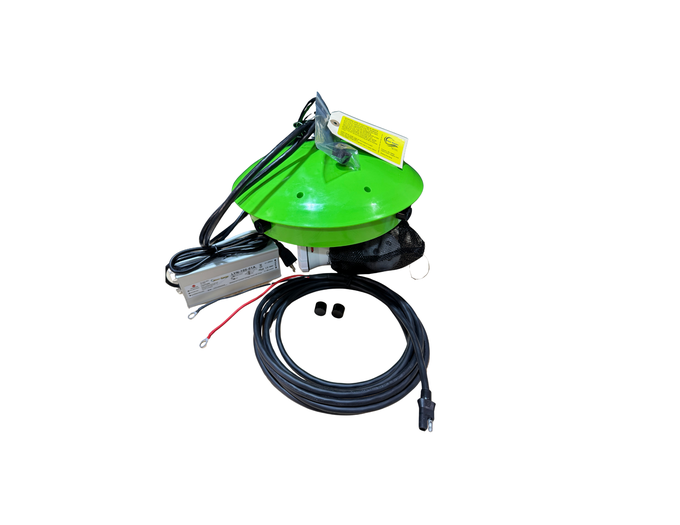
Solar panels, a battery and a charge controller are not included. The body is 12" x 12" HDPE with the pump mounted, and it resists cracking, UV exposure and water damage.
| Tank | Units | Notes |
|---|---|---|
| 100 to 500 gallons | 1 | Keep at least 12 inches of water in the tank for the pump |
| Over 500 gallons | 2 | Each unit needs its own power connection; plan a 10 ft extension for the far one |
| Under 100 gallons | Ask first | The maker recommends the unit for 100 gallons and up. Call 1-888-249-7412 before ordering for a smaller tank |
Open water on cold mornings instead of a frozen lid. The Water Rippler Dual Power floats on your stock tank and keeps the whole surface moving so ice has a harder time forming.
It runs from a standard 120V outlet or from your own 12V battery and solar setup, and both cords ship in the box. That matters when one tank sits by the barn and another is out in the pasture with no outlet in reach.
The pump draws 50 watts. A typical 1,500 watt tank heater draws 30 times as much, so the Rippler uses far less electricity over a winter.
Moving water does not freeze as readily as still water. The Rippler sits on the surface and pushes water out through four outlet caps, which keeps the surface rippling across the whole tank, much like a river. In warm months the same movement discourages mosquitoes from laying larvae on the surface and slows algae growth.
The Rippler manages ice, it does not eliminate it. The maker reports good results down to about 0°F. Near -22°F a layer of ice forms on top while the water underneath keeps circulating, which limits thick buildup.
Results depend on wind, tank size, insulation, location and humidity. In the coldest stretches some owners add an electric tank heater and pull it once temperatures climb.
The pump draws 50 watts, so a month of running around the clock is about 36 kWh. A 1,500 watt tank heater running around the clock would use 1,080 kWh. Heaters cycle on a thermostat, so their real use is lower, but even at six hours a day the gap is large. Your electric rate sets the dollars; here is the math at two common rates.
| Electric rate | Water Rippler, 24 h a day | 1,500 W heater, 6 h a day | 1,500 W heater, 24 h a day |
|---|---|---|---|
| $0.15 per kWh | $5.40 a month | $40.50 a month | $162 a month |
| $0.20 per kWh | $7.20 a month | $54.00 a month | $216 a month |
30-day month. 50 W x 24 h x 30 = 36 kWh; 1,500 W x 6 h x 30 = 270 kWh; 1,500 W x 24 h x 30 = 1,080 kWh. The maker quotes up to 97% lower running cost than a 1,500 watt heater, which is this same math with both running all the time. The Rippler slows ice rather than removing it, so some owners still run a heater during the coldest stretches.
All three models share the same 12" x 12" HDPE body, the same 50 watt 12V DC pump with filter screen, and the same cap set. They differ only in how you power them.
Swipe sideways to compare all three.
| Electric | Solar | Dual Power (this page) | |
|---|---|---|---|
| Power source | Standard 120V outlet through the included outdoor-rated AC/DC converter | Your own 12V battery and solar panels | Either one: outlet or your solar setup |
| Cords in the box | 6 ft power cord and AC/DC converter | 6 ft power cord and 15 ft solar cable with ring terminals | 6 ft power cord, AC/DC converter and 15 ft solar cable |
| You supply | An outlet, GFCI recommended | Battery, panels and an MPPT charge controller | An outlet, or battery, panels and controller |
| Best for | Tanks by the barn or anywhere a cord reaches | Remote tanks with no outlet nearby | Tanks that move between the barn and the pasture, or keeping both options open |
| Page | Water Rippler – Electric Powered | Water Rippler – Solar Powered | You are here |
Solar panels, a battery and a charge controller are not included. The body is 12" x 12" HDPE with the pump mounted, and it resists cracking, UV exposure and water damage.
| Tank | Units | Notes |
|---|---|---|
| 100 to 500 gallons | 1 | Keep at least 12 inches of water in the tank for the pump |
| Over 500 gallons | 2 | Each unit needs its own power connection; plan a 10 ft extension for the far one |
| Under 100 gallons | Ask first | The maker recommends the unit for 100 gallons and up. Call 1-888-249-7412 before ordering for a smaller tank |
 Login to leave a review
Login to leave a question
Login to share your review or question
Login to leave a review
Login to leave a question