





New World Screwworm in Cattle: Why Ranchers Are Paying Attention Again
For decades, U.S. cattle producers considered New World Screwworm (NWS) a problem of the past. Eradicated from the United States in 1966 through a coordinated federal program, this destructive livestock parasite has recently re-emerged as a major concern due to outbreaks moving north through Central America and Mexico and recent detections in Texas and New Mexico.
For cattlemen, understanding the New World Screwworm is critical because a single infestation can cause severe animal suffering, production losses, expensive treatments, and even death if left untreated.
What Is New World Screwworm?
New World Screwworm (Cochliomyia hominivorax) is a parasitic fly whose larvae feed on the living tissue of warm-blooded animals. Unlike common maggots that consume dead tissue, screwworm larvae attack healthy flesh, making them particularly dangerous to livestock.
Female flies are attracted to open wounds, branding marks, castration sites, dehorning wounds, tick bites, and even natural body openings. After laying eggs, larvae hatch within hours and begin burrowing deeper into the animal's tissue, creating larger wounds and attracting additional flies.
The parasite earned its name because the larvae appear to "screw" themselves into flesh as they feed.
Why Is New World Screwworm So Dangerous for Cattle?
The biggest concern for cattle producers is the speed at which infestations can develop.
Once larvae enter a wound, tissue destruction can escalate rapidly. Animals often experience:
- Severe pain and irritation
- Enlarging wounds
- Weight loss
- Reduced feed intake
- Secondary infections
- Decreased productivity
- Death in severe cases
Young calves are especially vulnerable because of healing navels, branding sites, and other common entry points.
In untreated cases, infestations can become fatal. Historical outbreaks caused significant livestock losses throughout the southern United States before eradication efforts succeeded.
Signs of New World Screwworm Infestation
Cattle producers should monitor livestock closely for:
- Unusual wound drainage
- Foul-smelling lesions
- Animals isolating from the herd
- Head shaking or excessive irritation
- Visible maggots in wounds
- Loss of appetite
- Swelling around injuries
The USDA recommends immediate veterinary attention if screwworm infestation is suspected. Early detection dramatically improves treatment success.
Current New World Screwworm Situation in the United States
Recent confirmed cases in Texas and New Mexico have prompted increased surveillance and emergency response efforts. USDA Animal and Plant Health Inspection Service (APHIS) officials have implemented movement controls, monitoring programs, and sterile fly release strategies to prevent widespread establishment.
Federal agencies emphasize that New World Screwworm is an animal health issue and not a food safety concern. Beef remains safe to consume.
How Producers Can Protect Their Herds
Prevention remains the best defense against New World Screwworm.
Producers should:
- Inspect cattle regularly.
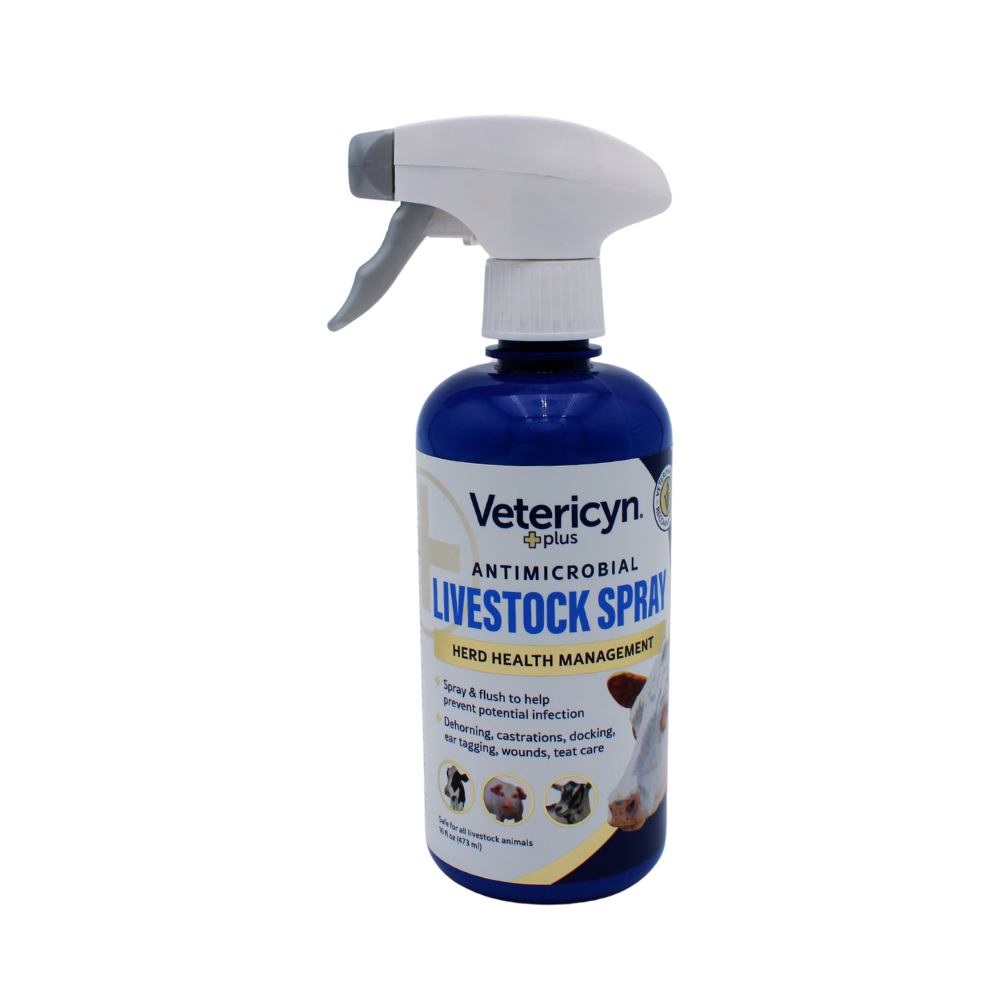
- Treat wounds promptly.
- Monitor newborn calves closely.
- Watch animals following branding, dehorning, or castration.
- Report suspicious infestations immediately.
- Follow state and federal animal health guidance.
Texas A&M AgriLife Extension experts stress that frequent herd surveillance and proactive wound management are essential for reducing risk.
Final Thoughts
Although the New World Screwworm was eradicated from the United States decades ago, recent detections serve as a reminder that cattle producers cannot afford to ignore this parasite. Vigilance, early detection, and strong biosecurity practices remain critical to protecting herd health and preventing significant economic losses.
As federal and state agencies continue eradication efforts, cattlemen who stay informed will be best positioned to safeguard their operations from this historic livestock threat.
Sources:
- USDA APHIS Screwworm Prevention Resources
- CDC DPDx: New World Screwworm
- Texas Animal Health Commission
- Texas A&M AgriLife Extension
- Oklahoma State University Livestock Entomology Program


