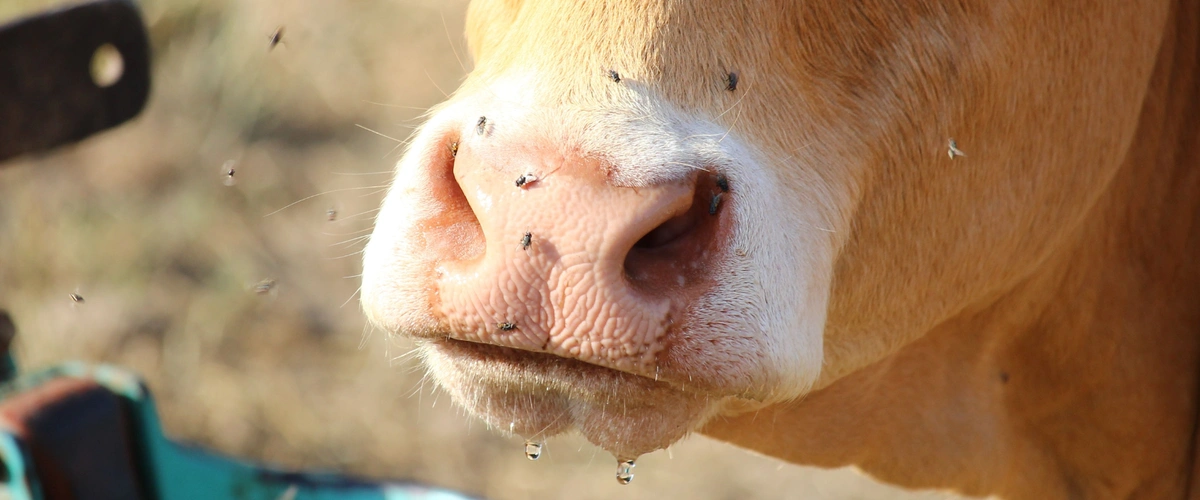


New World Screwworm (NWS) has gone from a textbook parasite most American horse owners never worried about to a real, developing threat along the southern U.S. border. If you own horses, cattle, or other livestock, understanding what NWS is, how the USDA and FDA are responding, and how to build a solid parasite-and-wound-care routine is no longer optional — it's basic herd health.
This guide breaks down the science, the current federal emergency response, and two practical products worth having in your barn: an ivermectin paste dewormer for routine internal parasite and bot control, and Bickmore Pine Tar Hoof Treatment for wound and hoof care.
What Is New World Screwworm?
New World Screwworm (Cochliomyia hominivorax) is a parasitic fly whose larvae — unlike most fly maggots — feed on living tissue rather than dead or decaying flesh. A female screwworm fly lays her eggs directly in an open wound, however small (a tick bite, a scrape, an insect bite, or even the navel of a newborn animal). Once hatched, the larvae burrow into healthy tissue, enlarging the wound and creating an environment that attracts more egg-laying flies. Left untreated, an infestation (called myiasis) can cause severe tissue damage, secondary infection, and death.
NWS was declared eradicated from the U.S. decades ago through a sustained sterile-fly release program, but the parasite has been moving north through Central America and Mexico, prompting renewed detections and a heightened state of alert from U.S. agricultural authorities.
The Federal Emergency Response: What's Actually Been Authorized
Because of the growing NWS threat, the Secretary of Health and Human Services made a formal determination in August 2025 that the situation presents significant potential for a public health emergency, which opened the door for the FDA to issue Emergency Use Authorizations (EUAs) for specific animal drugs. It's important for horse and livestock owners to understand exactly what these EUAs cover, because the details matter:
- Ivomec® (ivermectin) 1% Injection — authorized for cattle, for the prevention of NWS larvae infestation when given within 24 hours of birth, at castration, or when a wound first appears (not for female dairy cattle producing milk for human consumption, or veal calves).
- Ivermectin Liquid for Horses (oral solution) — authorized in July 2026 specifically for horses, for short-term prevention of NWS myiasis, again only when administered within 24 hours of birth or during initial wound care. This is a prescription product and is authorized only for horses.
- Additional EUAs have been issued for products used in dogs and cats, plus topical antiseptic/insecticide products, as part of the broader federal toolkit.
The USDA is also building a domestic sterile-fly production facility in Texas to support long-term eradication efforts, alongside surveillance and border-detection programs run through APHIS (Animal and Plant Health Inspection Service).
A key clarification: these EUAs apply to specific, named formulations, dosing windows, and species — they are not a blanket authorization covering every ivermectin-based product on the market. A standard over-the-counter ivermectin paste dewormer, like the kind used for routine deworming, is a different product with a different label, and it is not itself designated under an NWS emergency use authorization. That doesn't mean it isn't valuable — it just means its job in your barn is different, and it's worth understanding what it actually does.
Where Routine Ivermectin Paste Deworming Fits In
An ivermectin paste dewormer — like the Ivermectin Paste Dewormer (Horse Dewormer for Worm & Bot Control) available on Agzaga — is a staple of any sound equine parasite-control program. Its FDA-approved label indication is control of internal parasites and bots, including:
- Large and small strongyles (bloodworms)
- Ascarids (roundworms)
- Pinworms
- Hairworms and large-mouth stomach worms
- Lungworms
- Bots (Gasterophilus species, oral and gastric stages)
Here's why that matters in the context of screwworm risk: bots and internal parasites don't cause screwworm infestations themselves, but a horse carrying a heavy parasite load, or dealing with bot-related irritation and skin lesions, is more likely to develop the kind of minor wounds, sores, and skin breaks that give screwworm flies an entry point. Keeping horses on a consistent, veterinarian-guided deworming rotation is good general herd-health hygiene — it reduces parasite burden, supports skin and gut health, and is one piece of a layered defense strategy, alongside wound vigilance and fly control.
How to use it as part of prevention-minded care:
- Follow label dosing based on your horse's body weight (most syringes treat up to 1,250 lbs).
- Rotate according to a parasite-control schedule developed with your vet — overuse of any single dewormer class can drive resistance.
- Pay special attention to foals, yearlings, and broodmares, who are more vulnerable to parasite loads and to skin injuries.
- Combine deworming with daily wound checks, since even a tiny scrape can become an entry point for screwworm flies in affected regions.
- If you're in or near an area with confirmed NWS detections, work with your veterinarian on whether an EUA-authorized product is appropriate for your situation — routine paste dewormers and the specific NWS-authorized products serve different purposes and are not interchangeable.
Wound Care: Why Bickmore® Pine Tar Hoof Treatment Belongs in Your Kit
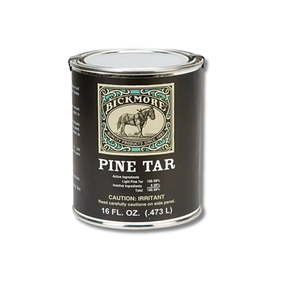
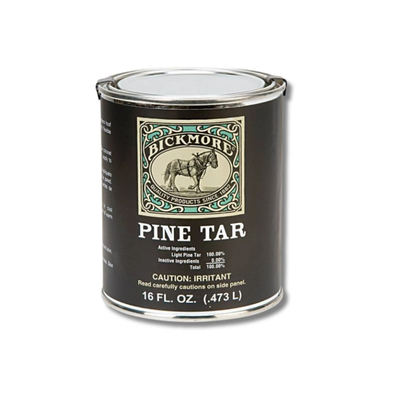
Since screwworm flies target open wounds, quick and effective wound care is one of the most practical things a horse owner can control. This is where Bickmore® Pine Tar Hoof Treatment earns its place in the barn.
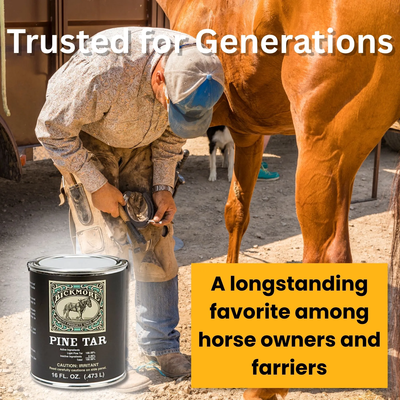
Pine tar has been used in equine care for generations as a natural topical antiseptic. Bickmore's formula is labeled for use on:
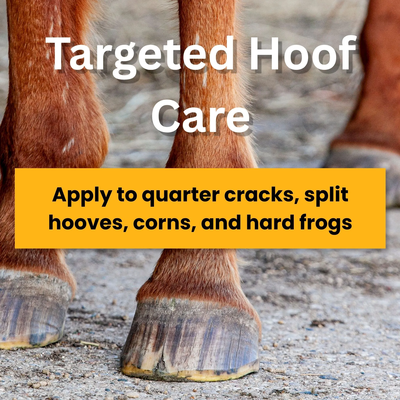
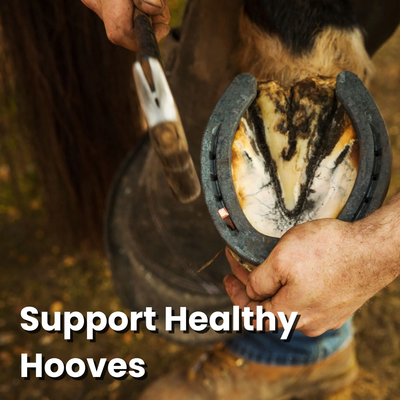
- Quarter cracks and split hooves
- Hard, cracked frogs
- Scrapes, cuts, abrasions, and sores around the hoof and lower leg
- Thrush and other fungal or bacterial hoof issues
- Proud flesh, helping to stop bleeding and support healing
How to use it:
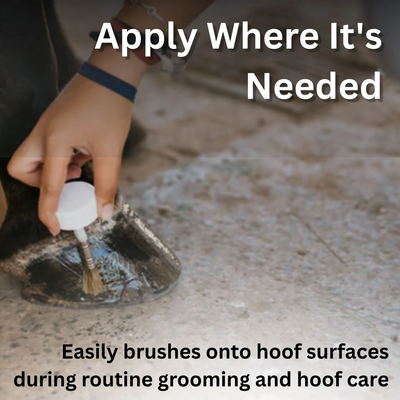
- Wash and thoroughly dry the affected hoof or wound area.
- Apply pine tar directly below the coronet band and across the hoof wall, or work it into cracks and cuts as needed.
- For deeper frog or sole issues, it can be used as a hoof pack — apply to the bottom of the hoof before shoeing, or mixed with water into a medicated poultice.
- Reapply as needed while monitoring the wound for healing progress.
- As with any wound, keep an eye out in NWS-affected regions for unusual swelling, discharge, or visible larvae, and contact your veterinarian immediately if you suspect myiasis — early detection is critical.
Because pine tar is a topical antiseptic rather than a labeled screwworm treatment, it should be viewed as part of your general wound hygiene and hoof care routine — the goal is closing off small wounds fast and keeping them clean, which reduces the opportunity for any fly, screwworm or otherwise, to lay eggs.
Building a Practical NWS-Aware Care Routine
Putting it all together, a sensible approach for horse owners looks like this:
- Stay informed — check APHIS's screwworm detection updates regularly if you're in or near an affected region.
- Maintain routine parasite control with a properly rotated ivermectin paste dewormer program.
- Inspect animals daily for any cuts, scrapes, insect bites, or wounds, especially around the eyes, nose, and genitals where NWS often strikes.
- Treat wounds immediately with an antiseptic wound-care product like Bickmore Pine Tar Hoof Treatment to keep them clean and closed.
- Know when to call your vet — if you suspect a screwworm infestation, don't rely on general dewormers or wound care alone. Contact your veterinarian and, if warranted, ask about EUA-authorized products appropriate to your situation.
- Report suspected cases to your state animal health official or the USDA, since early reporting supports the broader eradication effort.
Final Thoughts
New World Screwworm is a serious, evolving threat, and the federal response — including targeted FDA Emergency Use Authorizations and USDA surveillance and sterile-fly programs — reflects how seriously agricultural authorities are taking it. For everyday horse owners, the best defense is a layered one: keep parasite loads down with routine ivermectin paste deworming, stay vigilant about wounds, treat cuts and scrapes quickly with a trusted product like Bickmore Pine Tar, and lean on your veterinarian for anything that looks like it could be more than routine.
This article is for general informational purposes and is not a substitute for veterinary guidance. Always consult your veterinarian regarding parasite control programs, wound treatment, and any suspected New World Screwworm infestation, and follow current USDA/APHIS guidance for your region.