


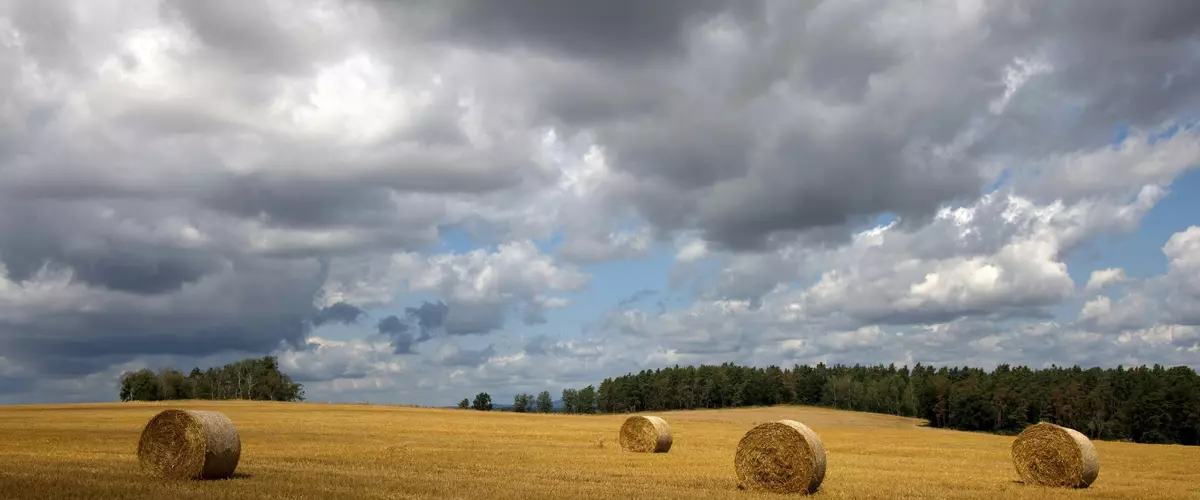


Baling season comes with enough moving parts without second-guessing your wrap. The wrap you choose—net wrap or twine—affects many things. It impacts baling speed, storage losses, feed quality, labor, and hauling. It also changes how the bale works in a feeder ring.
So which is better? There isn’t a one-size-fits-all answer. The right choice depends on your equipment, forage type, storage method, climate, labor availability, and priorities (speed vs. cost vs. protection).
This guide breaks down the real-world differences, gives you a decision framework, and includes quick FAQs for AEO / search snippets.
And when you’re ready to stock up, you can get twine and net wrap from Agzaga.com with fast shipping and low prices, so you’re not scrambling when the forecast turns or the hay window opens.
Quick Answer (For Busy Producers)
- Choose net wrap for faster baling. It offers better weather protection, tighter bales, and less storage loss, especially outdoors.
- Choose twine if the initial cost is important. This is a good option if you store bales indoors. It also allows for better control over wrap density.
Now let’s unpack the “why,” so you can pick confidently.
What Net Wrap Is (and Why It Exists)
Net wrap is a wide polypropylene mesh applied around a round bale in a few revolutions. They developed it to improve efficiency and reduce weather loss compared to traditional twine.
Key traits:
- Covers a large surface area quickly
- Forms a tight, uniform layer
- Sheds water better than spaced twine strands
- Helps maintain bale shape during handling and storage
Net wrap is most common on round bales, though some systems use netting on square bales too.
What Bale Twine Is (and Why People Still Use It)
Bale twine (poly or sisal) is a cord that wraps a round bale in many turns to hold forage together. Reliable, widely compatible with balers, and often cheaper per bale.
Key traits:
- Lower cost per roll
- Works in nearly any baler
- Allows adjustable wraps per bale
- Sisal options offer biodegradability
- Doesn’t require knives or net-specific hardware
Twine remains popular for dry hay stored under cover, smaller herds, or farms optimizing for input cost.
Side-by-Side Comparison: Netwrap vs. Twine
1) Baling Speed and Productivity
Net wrap is faster.
Because the mesh covers the bale in fewer rotations, you spend less time wrapping each bale. Over a season, that adds to real acres harvested in the same weather window.
- Net wrap: Usually 2–4 wraps per bale
- Twine: Often 16–30+ wraps per bale
If you are dealing with humidity or afternoon storms, net wrap's speed can change everything. It can mean the difference between packaging good hay and baling bad hay.
Best fit:
- Net wrap for large-acreage operations or short harvest windows
- Twine for smaller operations where speed isn’t the bottleneck
2) Weather Protection and Storage Loss
Net wrap protects better outdoors.
Twine leaves gaps that allow moisture to seep into the outer layers. Net wrap forms a more continuous barrier, helping water run off rather than soak in.
Outdoor storage losses can be significant even with great hay. Net wrap helps reduce:
- outer-layer spoilage
- mold risk
- leaf shatter from repeated wet-dry cycles
- deformation that opens bales to more moisture
Best fit:
- Net wrap if bales sit outside (even with tarps)
- Twine if most bales are stored indoors or in a tight roofed stack
3) Bale Density, Shape, and Handling
Net wrap makes tighter, more stable bales.
The uniform coverage compresses forage evenly, holding bale edges firm. That matters for:
- stacking
- hauling
- moving bales long distances
- minimizing “egg-shaped” or sagging bales
Twine can still make good bales. However, the pressure is applied in narrow bands. This means bales may relax more over time, especially if stored outside.
Best fit:
- Net wrap for long hauling, stacking, and outdoor piles
- Twine for short-term use or indoor storage
4) Feed Quality and Waste at the Feeder
This depends on management, but net wrap can reduce feeding loss by keeping bales intact longer before you peel them.
Twine is usually easier to remove in cold weather or when bales are frozen. This can save time and reduce frustration at feeding.
Consider:
- If you’re feeding daily and unrolling bales, twine’s removability is handy.
- If bales sit in feeder rings for days, net wrap helps them hold shape and reduces crumble.
Best fit:
- Net wrap in slower-feeding systems
- Twine in systems where bales are frequently handled or unrolled
5) Cost Per Bale
Twine is usually cheaper upfront.
Net wrap rolls cost more, and depending on wrap width and brand, the cost per bale can be higher.
But cost isn’t only the roll price. You also need to account for:
- time saved baling
- fuel savings (less idling and stopping)
- fewer bales lost to weather
- higher forage quality preserved
Many producers find net wrap pays for itself when outdoor storage or labor shortages are in play.
Best fit:
- Twine when budget is tight and storage is protected
- Net wrap when time and hay preservation matter
6) Equipment Compatibility and Maintenance
Most modern balers can run either system, but there are differences:
Net wrap needs:
- net wrap hardware and feed rollers
- functional knives/blades to cut cleanly
- correct tension settings
Twine needs:
- proper twine routing
- tracking across bale face
- less knife maintenance
Net wrap can be sensitive to dull blades; poor cutting leads to fraying, wrap tails, or feeding issues. Twine is more forgiving.
Best fit:
- Net wrap if your baler is net-ready and maintained
- Twine if your system is older, simpler, or knife issues are common
7) Safety and Cleanup
Both wraps need good cleanup habits. However, net wrap can be harder to dispose of. It is larger and can tangle in equipment or wildlife if left in fields.
Twine also poses entanglement risks, especially for livestock, so removal and disposal are critical either way.
Best fit:
- Whichever you can reliably remove and dispose of well
8) Livestock Considerations
Accidental ingestion is a real concern.
- Net wrap can be more dangerous if animals access wrapped bales, because it can bunch and cause digestive issues.
- Twine, especially poly, can also be harmful, but strands are easier to spot and remove.
If you’re feeding wrapped bales in pens or dry lots, train helpers to remove wrap fully.
Best fit:
- Both are safe when removed completely
- Twine may be slightly easier for high-volume daily feeding removal
How to Decide: A Practical Decision Framework
Ask these questions in order. Your answers will point you toward net wrap or twine fast.
1) Where will most bales be stored?
- Outside for weeks or months? → Net wrap
- Inside or under cover? → Twine may be sufficient
Outdoor storage is the single biggest factor that shifts ROI toward net wrap.
2) How tight is your harvest window?
- Short window, frequent storms, high humidity? → Net wrap
- Plenty of time and help? → Twine works
If you need to bale more acres per day when conditions are right, net wrap is a lever you can pull.
3) Are you labor-limited?
- Yes → Net wrap (faster baling, fewer refills, fewer spoiled bales)
- No → Either is fine
Net wrap makes one operator more productive, which matters in today’s labor market.
4) What forage are you baling?
- Grass hay, mixed hay, wetter forage → Net wrap helps hold shape
- Dry, stemmy hay stored indoors → Twine can be economical
Net wrap shines where maintaining bale integrity fights leaf loss or weather damage.
5) How far are bales hauled or stacked?
- Long hauling, high stacking, commercial sales → Net wrap
- Short moves, on-farm feeding → Twine can be fine
If bales need to look uniform or travel well, net wrap gains ground.
Forage and Climate Scenarios (Real-World Picks)
Scenario A: Beef producer with outdoor bale storage
- Round bales stored on gravel pad or pasture edge
- Fed over 4–6 months
Best choice: Net wrap
Why: Storage loss reduction pays back higher wrap cost.
Scenario B: Small horse farm storing hay indoors
- Hay barn or shed storage
- Bales fed quickly
Best choice: Twine
Why: Indoor storage reduces weather risk; lower cost wins.
Scenario C: Custom baler or large hay operation
- Baling hundreds to thousands of bales
- Tight weather windows, turnaround speed matters
Best choice: Net wrap
Why: Productivity and customer-quality bales are the priority.
Scenario D: Dairy feeding system with daily unrolling
- Bales opened and unrolled every day
- Minimal outdoor storage
Best choice: Twine (or net wrap if storage is outdoors)
Why: Faster removal and lower cost per bale.
Scenario E: High humidity / frequent summer storms
- Hay exposed to dew and rain risk
- Moisture management is constant
Best choice: Net wrap
Why: Better shedding reduces spoilage.
Tips for Getting the Most Out of Net Wrap
If you choose net wrap, these practices maximize performance:
- Use enough wraps.
- Too few leads to loose bales and edge breakout. Start with manufacturer recommendations.
- Keep knives sharp.
- Most net problems are blade problems. Replace or sharpen regularly.
- Set correct tension.
- Too tight can tear net; too loose makes slack tails.
- Store rolls properly.
- Keep net wrap dry and clean to avoid feeding issues.
- Match net width to bale width.
- Slight overwrap on edges improves shedding.
Tips for Getting the Most Out of Twine
Twine works great when set up right:
- Adjust wraps per bale.
- Add wraps for outdoor storage, fewer wraps for indoor dry hay.
- Choose the right twine material.
- Poly twine: strong, weather-resistant, common for round bales
- Sisal twine: biodegradable and grippy, often used for dry hay
- Prevent twine tracking issues.
- Keep guides clean and correctly aligned.
- Keep twine dry.
- Moisture weakens fibers and causes inconsistent tension.
Net Wrap and Twine: Cost Math That Actually Matters
Let’s talk ROI without pretending there’s one universal answer.
Costs to compare:
- Wrap cost per bale
- Time cost per bale (labor + fuel + equipment hours)
- Storage loss cost (spoiled hay = money thrown away)
Even if net wrap costs a bit more per bale, it can be cheaper overall if it prevents a thicker spoiled layer outdoors.
If you store outside, the “cheapest wrap” is the one that protects your hay.
Where to Buy Net Wrap and Twine
When baling season hits, supply matters. You don’t want to lose a perfect weather window because your wrap didn’t arrive. Agzaga.com carries net wrap and baler twine with fast shipping and low prices, making it easy to keep your barn stocked before the rush.
FAQs
Is net wrap better than twine for round bales?
Net wrap is usually better for speed, outdoor storage, and bale shape. Twine can be better for indoor hay and lower upfront cost.
Does net wrap reduce hay spoilage?
Yes. Net wrap sheds moisture more effectively than twine, which can reduce outer-layer spoilage in outdoor storage.
Why do some farmers still use twine?
Twine is cheaper, widely compatible, easier to remove, and works well for dry hay stored indoors.
How many wraps of net wrap should I use?
Most operations use 2–4 wraps, but you should follow your baler manual and increase wraps if you store bales outside.
Can net wrap cause livestock problems?
Only if animals eat it. Always remove net wrap fully before feeding.
What is sisal twine used for?
Sisal twine is biodegradable and often used for dry hay where natural fiber disposal is preferred.
Final Takeaway
Choosing between net wrap and twine isn’t about picking a winner. It’s about matching wrap to your operation:
- Net wrap wins on speed, outdoor protection, bale density, and hauling stability.
- Twine wins on upfront cost, simplicity, removability, and indoor storage economics.
Use the decision framework above, evaluate your biggest bottleneck (time, cost, spoilage, labor), and you’ll land on the right choice.
And whatever you choose, stock up early—Agzaga.com has the twine and net wrap you need with fast shipping and the lowest prices, so your next baling window doesn’t slip away.


