





Silage wrap plays a critical role in modern hay and forage storage, but many producers still ask: what is silage wrap made from? Understanding the material behind silage wrap can help you make better purchasing decisions, improve forage quality, and reduce waste on your operation.
The Main Material: Polyethylene Plastic
Silage wrap is primarily made from linear low-density polyethylene (LLDPE), a type of plastic specifically engineered for strength, flexibility, and durability. This material is ideal for agricultural use because it can stretch tightly around bales while maintaining an airtight seal.
LLDPE is preferred because it offers:
- High stretch capacity without tearing
- Strong puncture resistance
- Excellent cling between layers
- Durability in outdoor conditions
These characteristics are essential for preserving silage and preventing spoilage.
Why Airtight Sealing Matters
The main purpose of silage wrap is to create an oxygen-free (anaerobic) environment around forage. When hay or silage is wrapped properly, oxygen is excluded, allowing beneficial fermentation to occur.
Polyethylene film is specifically designed to:
- Seal tightly around bales
- Prevent oxygen from entering
- Retain moisture levels needed for fermentation
Without this airtight seal, silage can spoil quickly, leading to mold, nutrient loss, and reduced feed quality.
Multi-Layer Film Technology
Most modern silage wrap isn’t just a single layer of plastic—it’s made using multi-layer film technology. This means several thin layers of polyethylene are combined to create a stronger, more reliable product.
These layers work together to provide:
- Increased strength and durability
- Better puncture resistance
- Improved oxygen barrier performance
Multi-layer construction is one of the reasons today’s silage wrap performs much better than older plastic films.
UV Protection Additives
Silage wrap is often exposed to sunlight for extended periods, so manufacturers add UV stabilizers to the polyethylene film. These additives help protect the plastic from breaking down due to sun exposure.
UV protection ensures:
- Longer lifespan in the field
- Reduced cracking or brittleness
- Better protection of the silage inside
Depending on the product, silage wrap can last several months to over a year when properly applied.
Color Options and Their Purpose
Silage wrap is commonly available in colors like white, black, or green—but these aren’t just aesthetic choices.
- White wrap reflects sunlight and helps keep bales cooler
- Black wrap absorbs heat and may speed up fermentation
- Green wrap offers a balance and blends into surroundings
The color you choose can impact temperature control and fermentation efficiency.
Thickness and Strength Considerations
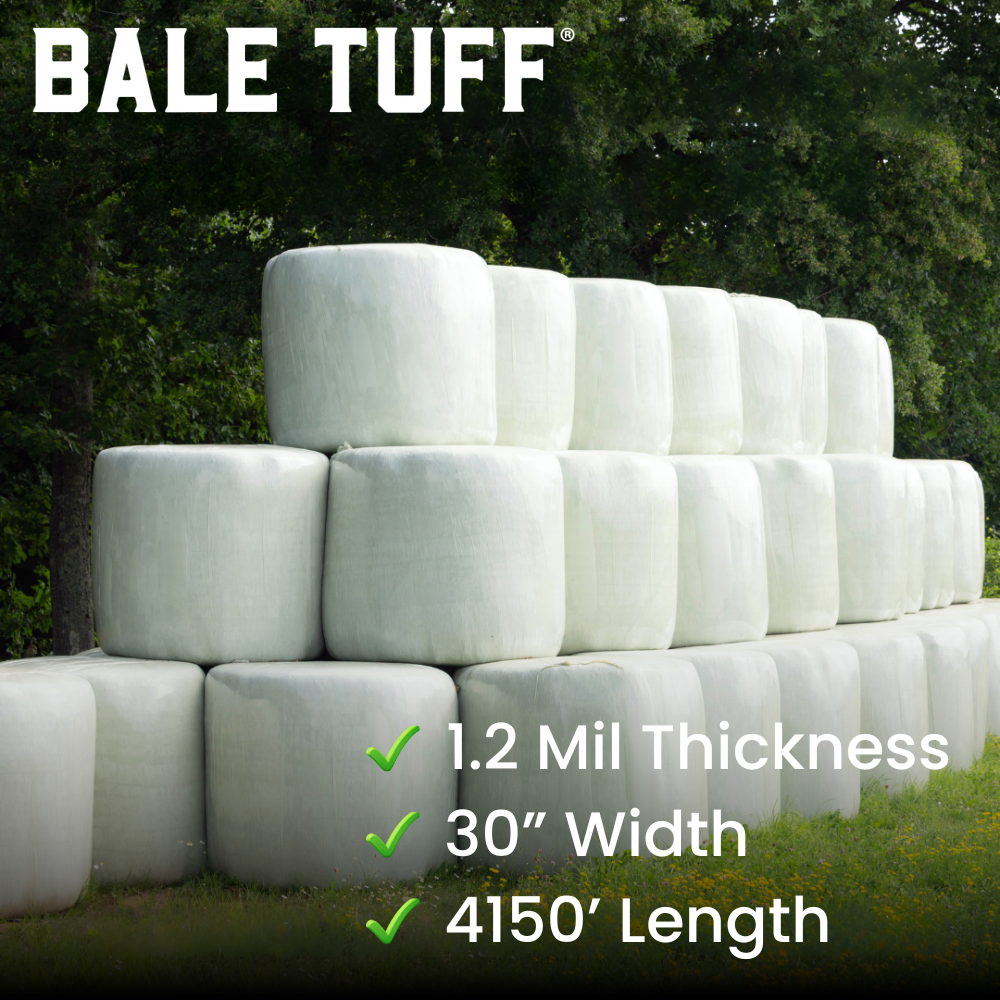
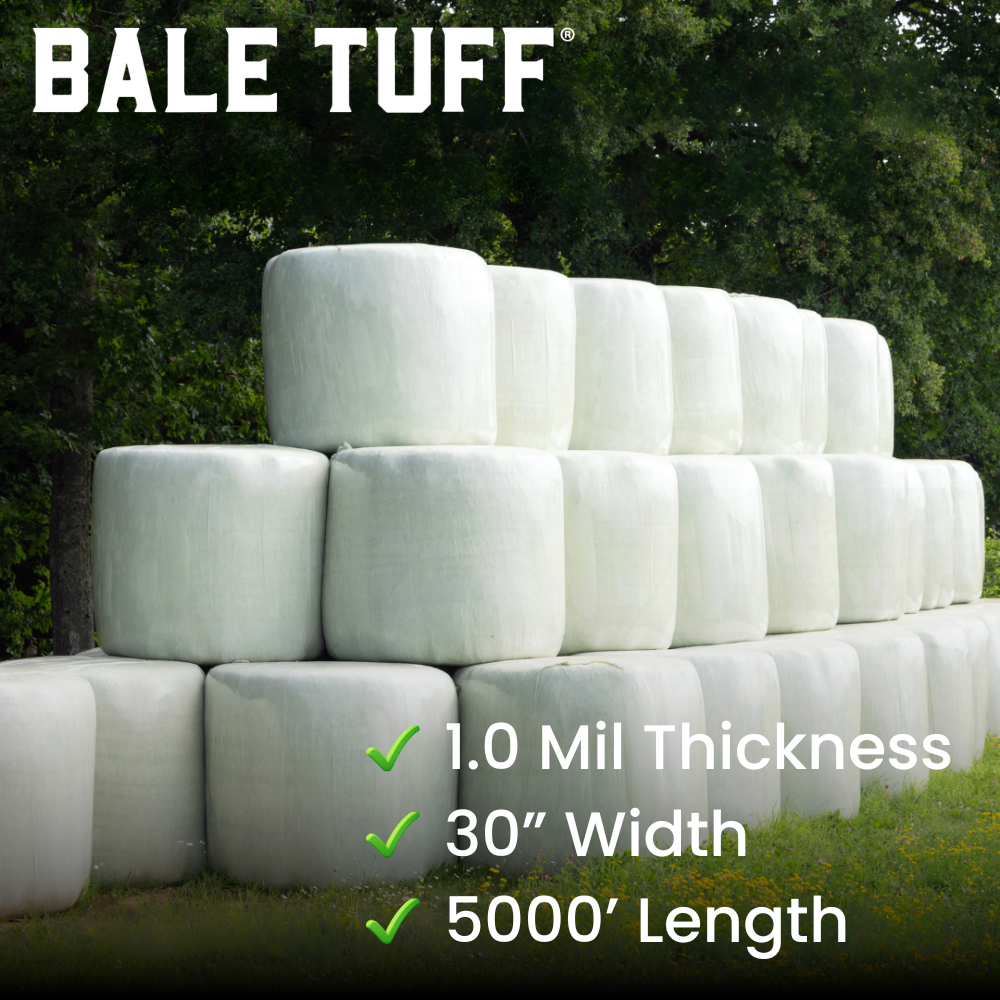
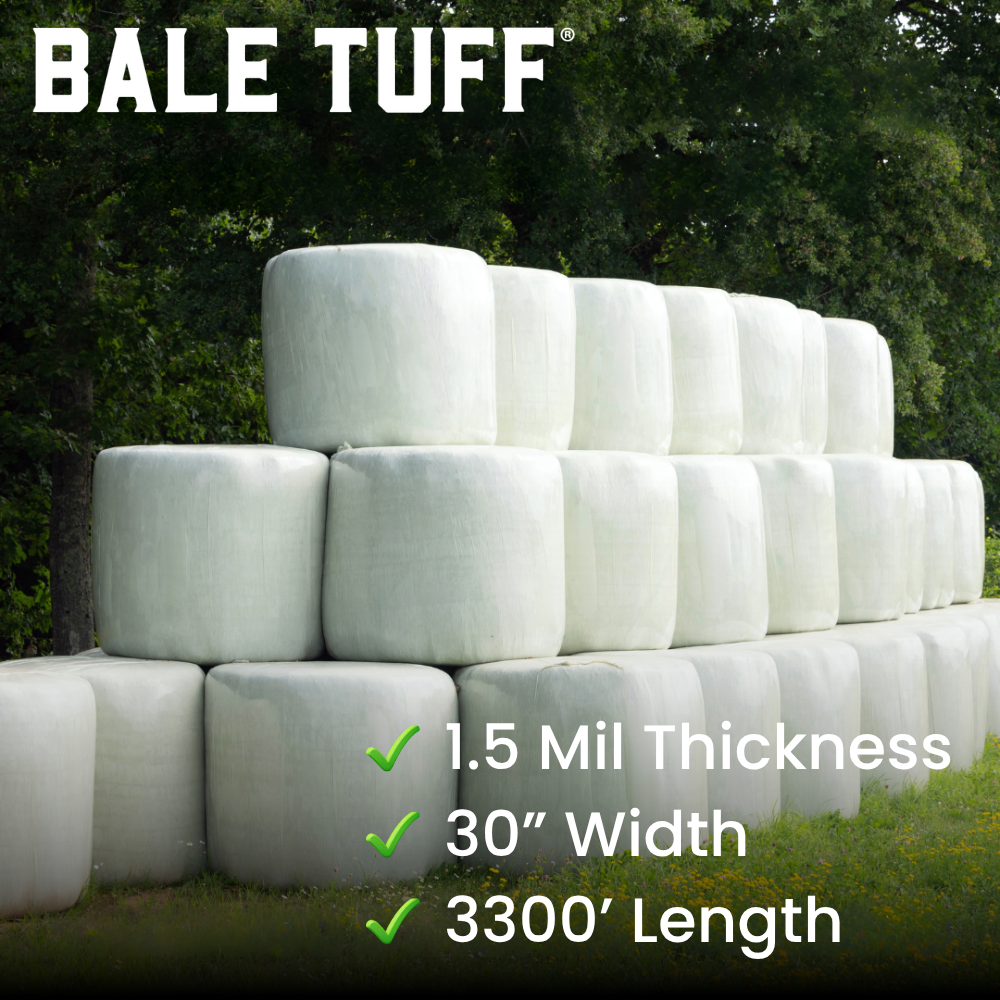
Silage wrap typically comes in different thicknesses, often measured in microns. Thicker films provide greater durability and puncture resistance, which is especially important in rough handling conditions or when dealing with coarse crops.
Choosing the right thickness depends on:
- Bale handling practices
- Storage conditions
- Type of forage being wrapped
Higher-quality wrap may cost more upfront but often reduces losses in the long run.
Why Quality Silage Wrap Matters
Not all silage wrap is created equal. Lower-quality films may tear easily, lose elasticity, or fail to maintain an airtight seal—leading to spoiled feed and wasted money.
High-quality silage wrap ensures:
- Better bale integrity
- Reduced oxygen infiltration
- Improved feed preservation
- Fewer re-wraps and repairs
For producers, investing in reliable wrap can make a significant difference in feed quality and overall profitability.
Final Thoughts: What is Silage Wrap Made From?
So, what is silage wrap made from? At its core, it’s engineered polyethylene plastic designed to protect and preserve your forage. With advanced features like multi-layer construction, UV protection, and high stretch capability, silage wrap is a key tool in modern hay and silage management.
Understanding what goes into silage wrap helps you choose the right product—and ultimately ensures your feed stays high-quality from field to feeding.


