


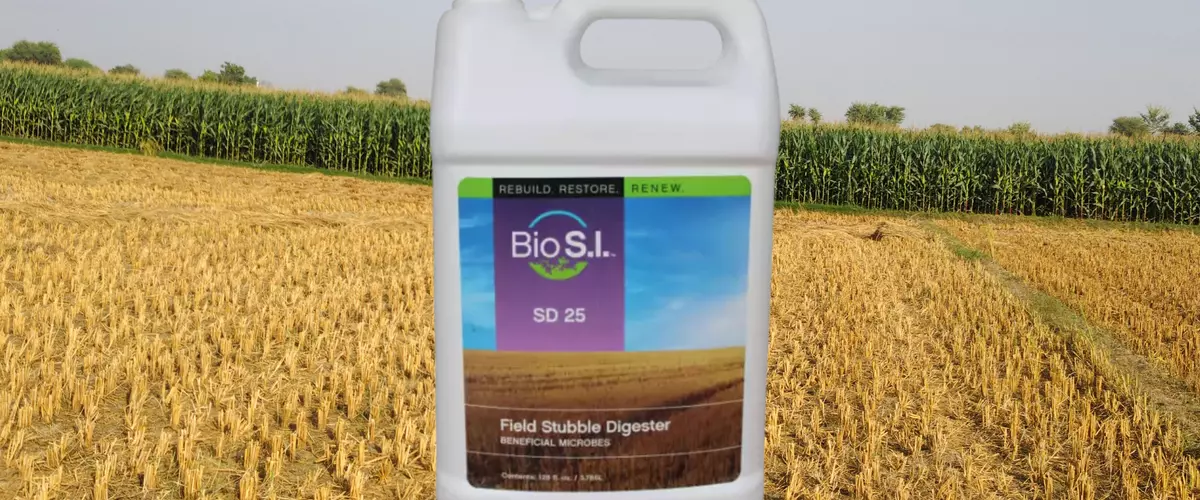


If you’re looking to improve residue breakdown and soil health after harvest, understanding how to use Bio S.I. SD-25 Field Stubble Digester is key. This product from the Bio S.I. brand is designed to convert leftover crop residue into usable nutrients, helping you get more value from every acre.
Using SD-25 correctly ensures faster decomposition, better nutrient cycling, and improved soil structure heading into your next planting season.
What Does SD-25 Do?
Bio S.I. SD-25 is a microbial-based stubble digester that uses naturally occurring soil organisms to break down plant residue. Instead of burning or removing stubble, SD-25 converts it into carbon (humus), releasing nutrients back into the soil and improving water retention. ()
This process helps rebuild soil biology while reducing future fertilizer needs.
When Should You Apply SD-25?
Timing is critical for best results. SD-25 should be applied:
- Immediately after harvest
- Before the first freeze (microbial activity slows in cold conditions) ()
Applying early gives the microbes time to begin breaking down residue before winter or the next planting cycle.
Application Rates and Coverage
Typical application rates for SD-25 are:
- 20–25 oz per acre
- Mixed with at least 10 gallons of water per acre ()
Rates may vary depending on:
- Amount of crop residue
- Application method
- Field conditions
Heavier residue (like corn stalks) may require more precise calibration for even coverage.
Application Methods
Bio S.I. SD-25 is flexible and can be applied using several common farm systems:
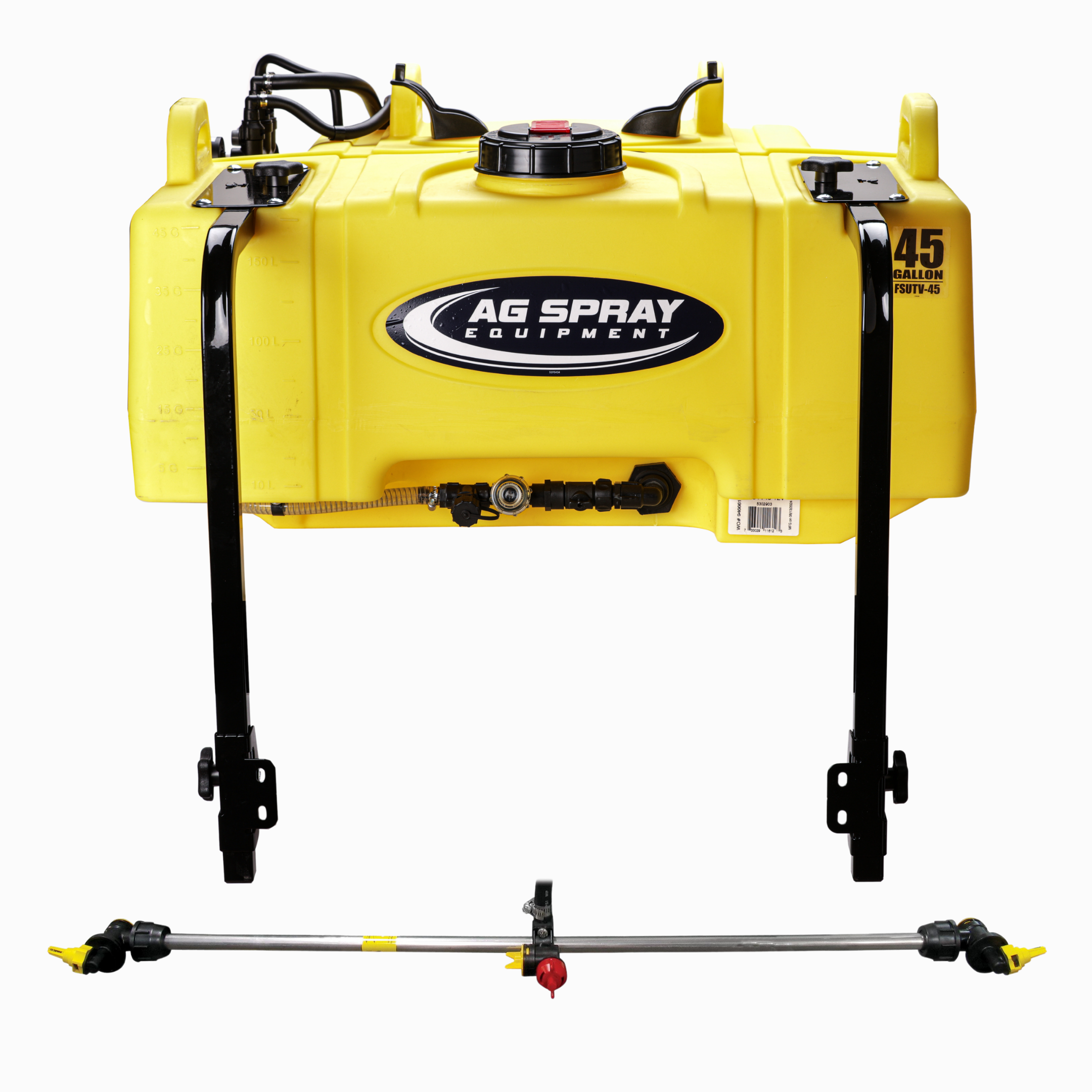
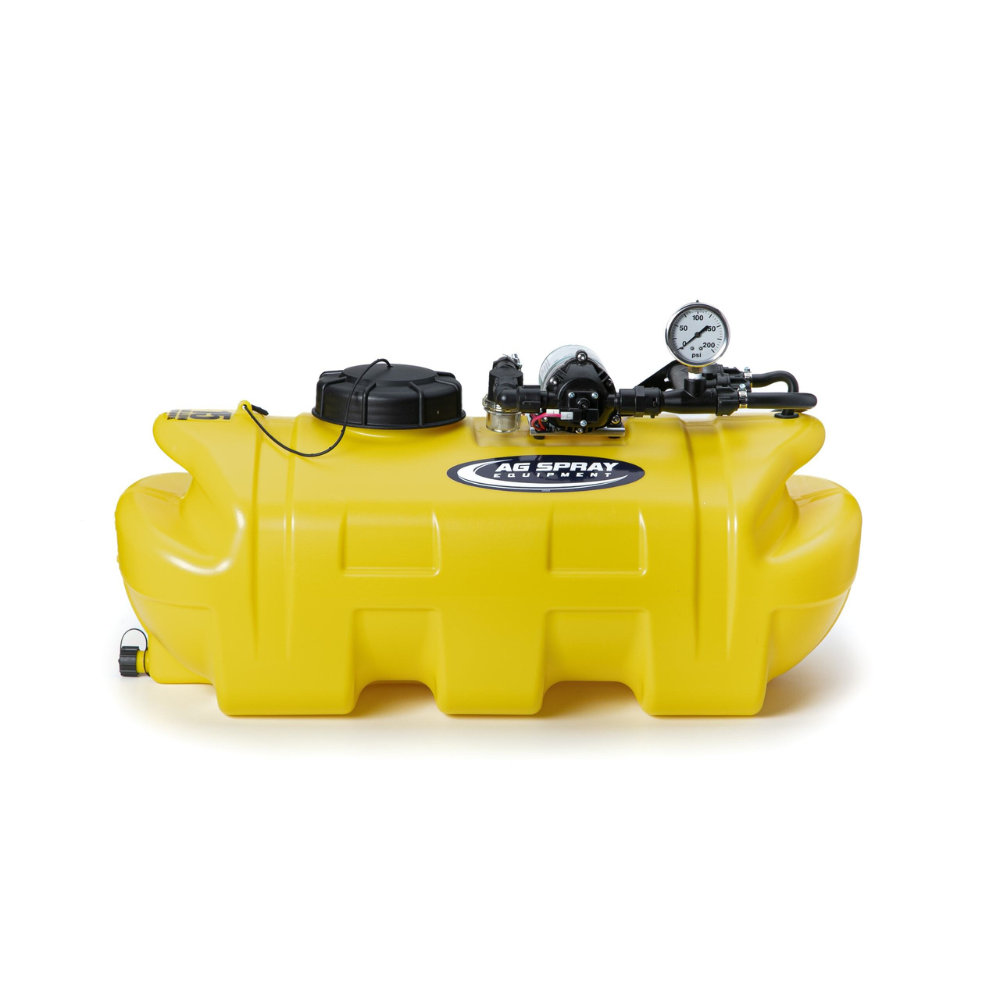
- Surface sprayers
- Pivot irrigation systems
- Injection through irrigation setups ()
For best results, ensure even coverage across all residue so microbes can begin breaking it down consistently.
Field Preparation Before Application
Proper preparation helps maximize effectiveness:
- Perform light tillage (if applicable) to incorporate residue into soil
- In no-till systems, apply directly over stubble with sufficient water
- If plowing, apply after tillage is complete ()
The goal is to create good contact between microbes, residue, and soil.
Important Mixing and Usage Tips
To avoid reducing effectiveness:
- Do not mix with fungicides ()
- Use proper pumps (centrifugal or diaphragm recommended)
- Apply with adequate water volume for coverage
Some growers also add nitrogen to help balance the carbon-to-nitrogen ratio, which can speed up decomposition. ()
What Results Can You Expect?
When used correctly, SD-25 can deliver noticeable results within weeks:
- Significant residue breakdown in 30–75 days
- Improved soil structure and tilth
- Increased microbial activity
- Better nutrient availability for the next crop ()
Over time, this leads to healthier soils and more efficient crop production.
Crops and Use Cases
Bio S.I. SD-25 is highly versatile and can be used on:
- Corn, wheat, soybeans, and other row crops
- Pastures and forage crops
- Specialty crops like fruits, nuts, and vegetables ()
It’s suitable for both conventional and regenerative farming systems.
Final Thoughts: Using SD-25 Effectively
Learning how to use Bio S.I. SD-25 Field Stubble Digester comes down to a few key steps: apply it soon after harvest, ensure proper coverage, and give microbes time to do their job.
When used correctly, SD-25 helps turn leftover residue into a valuable asset—improving soil health, recycling nutrients, and setting your fields up for a stronger next crop.


