


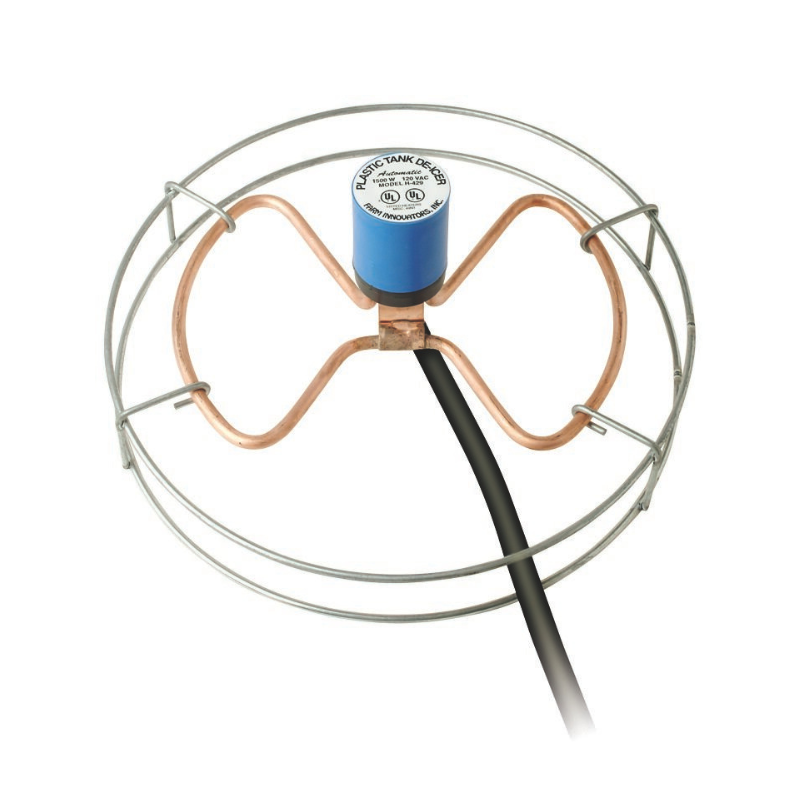
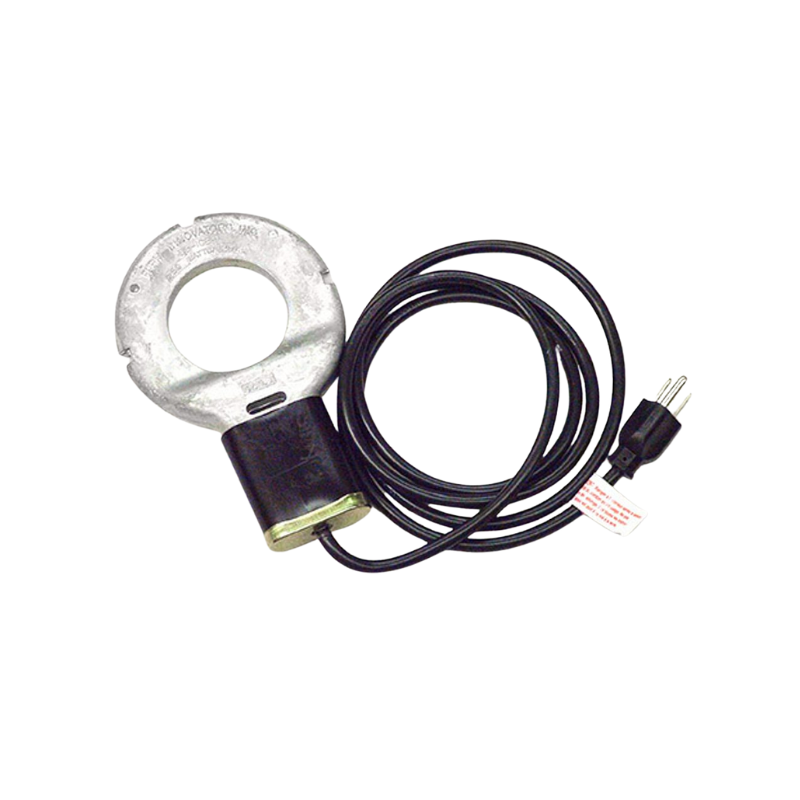
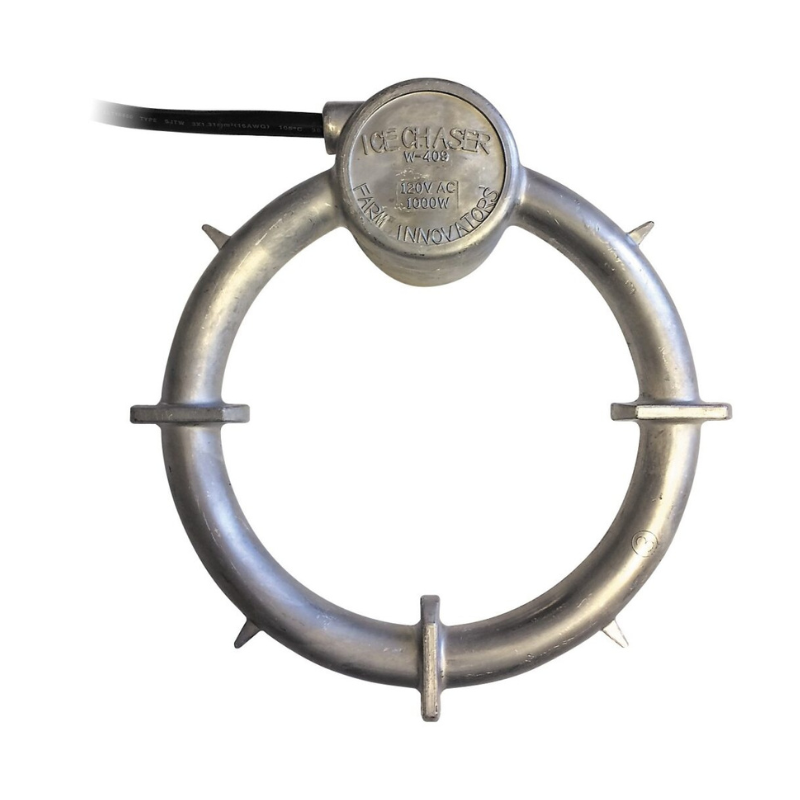
If you rely on livestock watering tanks during the winter, knowing how to install a submersible water tank heater is essential. These heaters help prevent water from freezing, ensuring your animals always have access to fresh water—even in extreme cold conditions.
Installing one correctly not only improves performance but also keeps your operation safe and efficient.
What is a Submersible Water Tank Heater?
A submersible water tank heater is an electric heating device designed to sit directly in the water tank. It works by warming the water just enough to prevent freezing, without overheating or wasting energy.
These heaters are commonly used for:
- Cattle and livestock tanks
- Stock ponds (in smaller applications)
- Outdoor water troughs
They are especially useful in regions with prolonged freezing temperatures.
Step 1: Choose the Right Heater
Before installation, make sure you have the correct heater for your setup. Consider:
- Tank size (gallons)
- Material (plastic vs. metal tank)
- Power rating (typically 1,000–1,500 watts)
Using the right size heater ensures efficient operation and prevents unnecessary energy use.
Step 2: Inspect Your Tank and Power Source
Safety is critical when working with electricity and water. Before installing:
- Check the tank for cracks or leaks
- Ensure your electrical outlet is GFCI-protected
- Use a heavy-duty outdoor extension cord if needed
Never install a heater without proper electrical protection.
Step 3: Position the Heater in the Tank
Place the submersible heater directly into the water tank. Most models should:
- Sit flat on the bottom of the tank
- Be fully submerged during operation
- Be positioned away from edges or corners
Avoid placing the heater where animals can easily bump or damage it.
Step 4: Secure the Power Cord
Route the power cord safely out of the tank:
- Keep it away from areas where animals can chew or step on it
- Use cord protectors if necessary
- Ensure the cord doesn’t create a tripping hazard
Some farmers run the cord through conduit or secure it along fencing for added protection.
Step 5: Plug in and Test the Heater
Once everything is in place:
- Plug the heater into a GFCI outlet
- Allow time for the heater to begin warming the water
- Check for proper operation (no unusual noises or overheating)
Many heaters are thermostatically controlled and will turn on only when temperatures drop near freezing.
Step 6: Monitor During Initial Use
After installation, monitor the heater for the first few days:
- Ensure water stays ice-free
- Check for any electrical issues
- Confirm animals are comfortable using the tank
Regular checks help catch any issues early.
Safety Tips to Keep in Mind
Using a submersible heater safely is just as important as installing it correctly:
- Always use GFCI protection
- Never operate the heater out of water
- Disconnect power before cleaning or moving the heater
- Inspect cords and connections regularly
Taking these precautions reduces the risk of electrical hazards.
Maintenance and Winter Care
To keep your heater working efficiently:
- Remove debris from the tank regularly
- Check for mineral buildup on the heater
- Inspect for wear or damage throughout the season
Proper maintenance can extend the life of your heater and ensure consistent performance.
Final Thoughts: Installing a Submersible Water Tank Heater
Learning how to install a submersible water tank heater is a simple but important step in winter livestock management. With proper setup, you can prevent frozen water, reduce daily labor, and keep your animals healthy and hydrated.
By choosing the right heater, installing it safely, and maintaining it throughout the season, you’ll have a reliable solution that keeps your operation running smoothly—even in the coldest conditions.


