




One of the most common questions in soil management is: how often should you till soil? While tilling is an important part of preparing land for planting, doing it too often can actually harm soil health. The key is finding the right balance between preparation and preservation.
Why Tilling Frequency Matters
Tilling plays a major role in breaking up compacted soil and preparing a seedbed, but excessive tilling can disrupt soil structure and reduce organic matter over time. Healthy soil relies on a balance of biological activity, moisture retention, and structure—factors that can be negatively affected by overworking the ground.
For this reason, modern farming practices often emphasize tilling only when necessary, rather than on a fixed schedule.
General Guidelines for Tilling
In most cases, soil should be tilled:
-
Before planting a new crop
-
When soil becomes compacted
-
When incorporating organic matter or amendments
Tilling once or twice per season is typically sufficient for many operations, depending on soil type and crop needs.
Factors That Affect Tilling Frequency
Several variables determine how often you should till, including soil type, climate, and cropping system. Sandy soils may require less frequent tilling, while heavier clay soils may need occasional intervention to prevent compaction.
Weather conditions also play a role. Tilling when soil is too wet can cause clumping and long-term damage, while overly dry soil may not break up effectively.
Using the Right Equipment
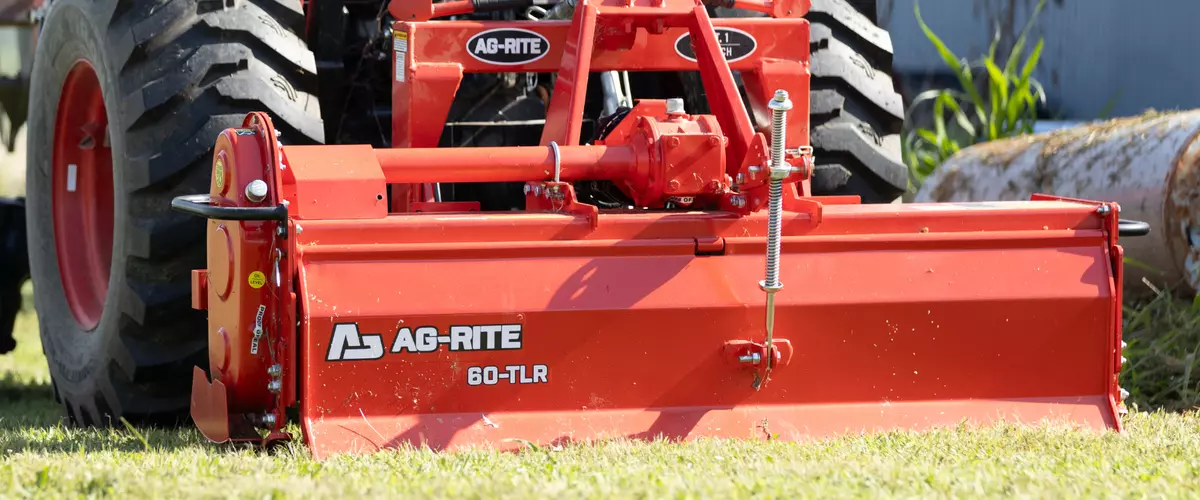
Having the right equipment makes a big difference in how effective each tilling pass is. The Ag-Rite tiller available on Agzaga is designed to provide consistent soil preparation, allowing you to achieve better results with fewer passes.
This helps reduce unnecessary soil disturbance while still creating an ideal planting environment.
Final Thoughts
So, how often should you till soil? For most operations, the answer is only when needed—typically once per season or when conditions require it. With the right approach and reliable equipment, you can maintain healthy soil while still preparing it effectively for planting.


