


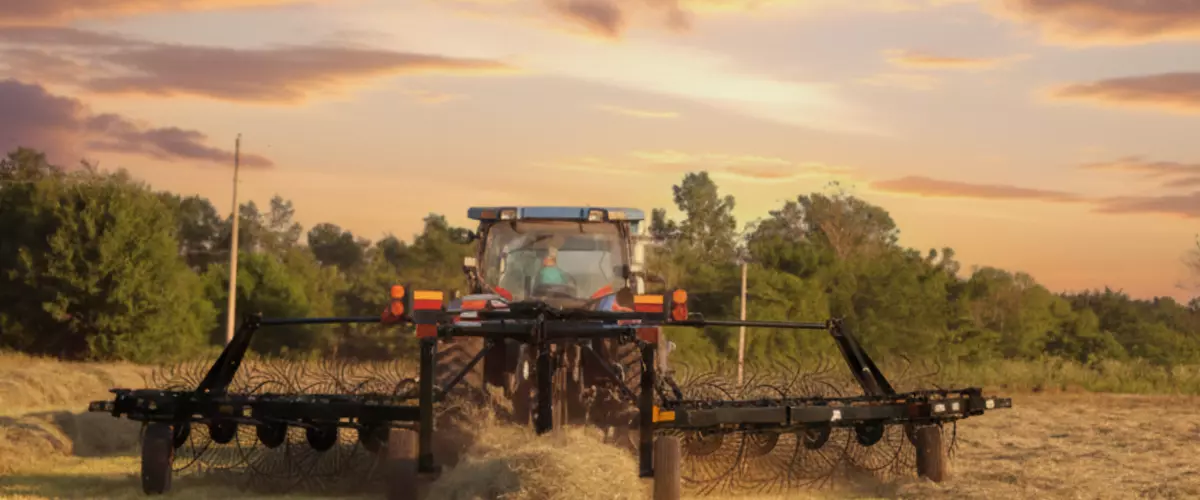


If you rely on a wheel rake for your hay operation, you’ve probably wondered: how often should I replace rake teeth? The answer isn’t always exact, but knowing the signs of wear—and replacing teeth at the right time—can make a major difference in your hay quality and overall efficiency.
Why Rake Teeth Matter More Than You Think
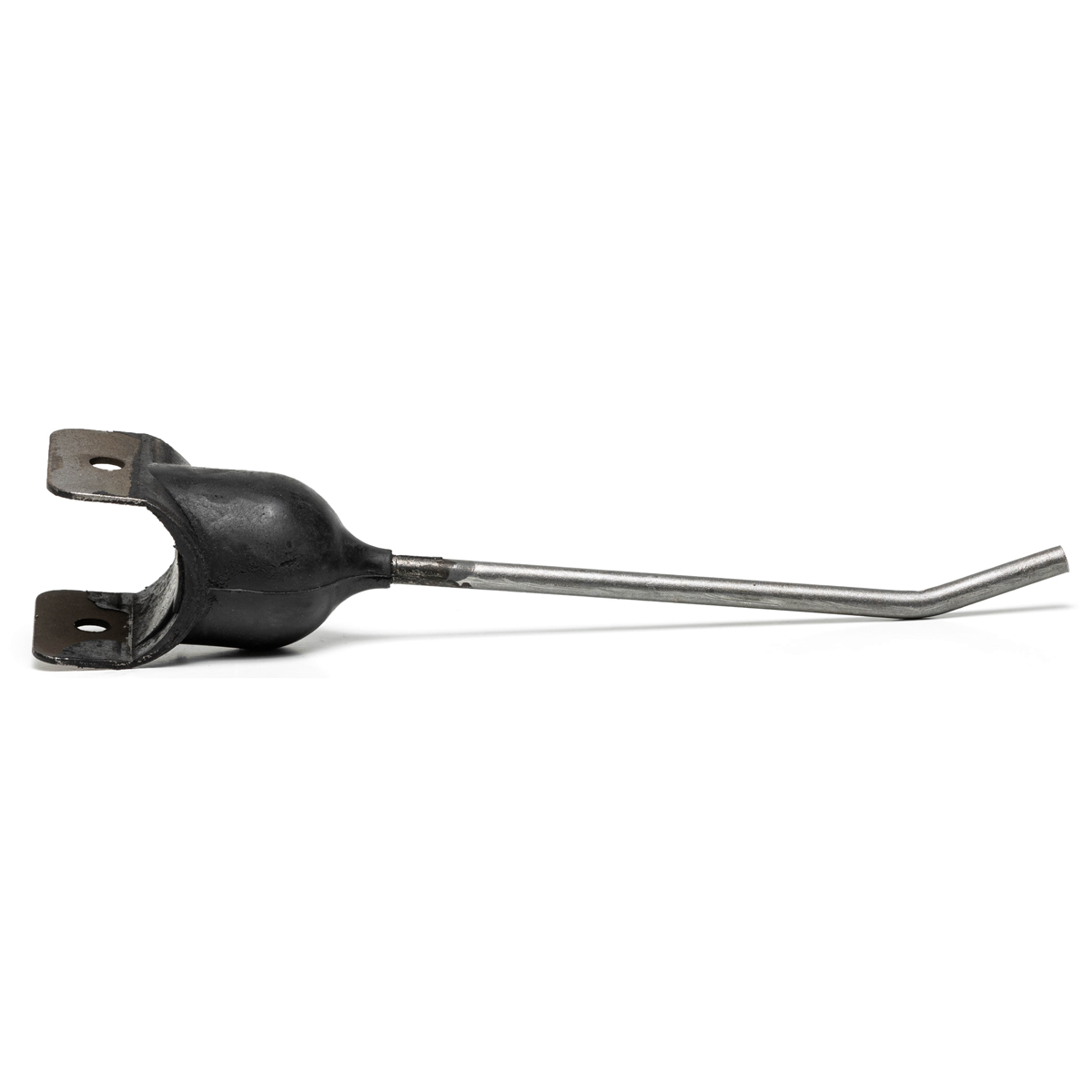
Rake teeth are the working edge of your rake wheels. They’re responsible for gathering hay, forming clean windrows, and minimizing crop loss. When rake teeth are in good condition, they gently lift and move hay without damaging leaves or dragging in dirt.
But when they wear out, performance drops quickly. Worn or broken teeth can lead to uneven windrows, increased ash content, and lost productivity during critical harvest windows.
Average Lifespan of Rake Teeth
There’s no universal replacement schedule, but most rake teeth last one to three hay seasons depending on usage. Factors that affect lifespan include:
- Acres covered each season
- Field conditions (rocky vs. smooth ground)
- Crop type and density
- Operating speed
If you’re running a large operation or covering rough terrain, you may need to replace rake teeth more frequently—sometimes even annually.
Signs It’s Time to Replace Rake Teeth
Instead of relying strictly on time, it’s better to watch for clear signs of wear. You should consider replacing rake teeth if you notice:
- Bent or misshapen teeth
- Broken or missing tines
- Reduced ability to gather hay cleanly
- Increased dirt or debris in windrows
- Uneven or inconsistent windrows
If your rake isn’t performing like it used to, worn teeth are often the culprit.
How Worn Teeth Impact Hay Quality
One of the biggest risks of worn rake teeth is reduced forage quality. Damaged or weak teeth can drag along the ground instead of lifting hay, pulling in dirt and increasing ash content.
They can also cause leaf loss—especially in delicate crops like alfalfa—reducing the nutritional value of your hay. Replacing rake teeth at the right time helps protect both yield and quality.
Should You Replace Individual Teeth or the Whole Wheel?
In many cases, you can replace individual rake teeth instead of the entire wheel. This is a cost-effective option if only a few teeth are damaged.
However, if multiple teeth are worn or the wheel structure itself is compromised, replacing the entire rake wheel may be the better long-term solution. Consistency across all wheels is key to achieving uniform windrows.
Preventing Premature Wear
While rake teeth will eventually wear out, you can extend their lifespan with proper maintenance:
- Avoid excessive ground pressure
- Adjust rake height correctly
- Slow down in rough or rocky fields
- Inspect teeth regularly for early signs of damage
A little preventative care can go a long way in reducing replacement frequency.
Why Quality Parts Make a Difference
Not all rake teeth—and rake wheels—are built the same. Lower-quality components tend to wear faster, bend more easily, and require more frequent replacement.
That’s where Agzaga’s Perfect Fit rake wheels come in. Built with durability and consistency in mind, they’re designed to hold up under real-world haying conditions. Instead of constantly replacing individual teeth, upgrading to a high-quality wheel setup can reduce downtime and improve overall performance.
Final Thoughts: When Should You Replace Rake Teeth?
So, how often should you replace rake teeth? For most farmers, it comes down to inspecting regularly and replacing as soon as performance drops—typically every 1–3 seasons.
Staying proactive with replacements ensures cleaner windrows, better hay quality, and a more efficient operation. And when it’s time for a bigger upgrade, investing in durable solutions like Agzaga’s Perfect Fit rake wheels can help you spend less time fixing equipment and more time getting hay put up right.


