





One of the most common questions during hay season is: how many bales will one roll of silage wrap make? The answer depends on several factors, including bale size, number of wraps, and the type of film you’re using. However, understanding the general guidelines can help you plan ahead and avoid running out of wrap in the middle of the job.
The Short Answer
On average, one roll of silage wrap will cover between 20 and 30 round bales. This range assumes standard conditions, typical bale sizes, and proper wrapping techniques.
However, this number can vary quite a bit depending on how you’re wrapping and the conditions in your field.
Key Factors That Affect Bale Count
Several variables determine how many bales you’ll get from a single roll of wrap:
1. Bale Size
Larger bales require more wrap. For example:
- 4x4 bales will use less wrap
- 5x5 or 5x6 bales will use significantly more
The bigger the bale, the fewer bales you’ll get per roll.
2. Number of Wrap Layers
Most recommendations suggest 4 to 6 layers of wrap for proper silage preservation.
- 4 layers = more bales per roll (but less protection)
- 6+ layers = fewer bales per roll (but better fermentation and storage)
Many producers stick with 6 layers to ensure optimal feed quality.
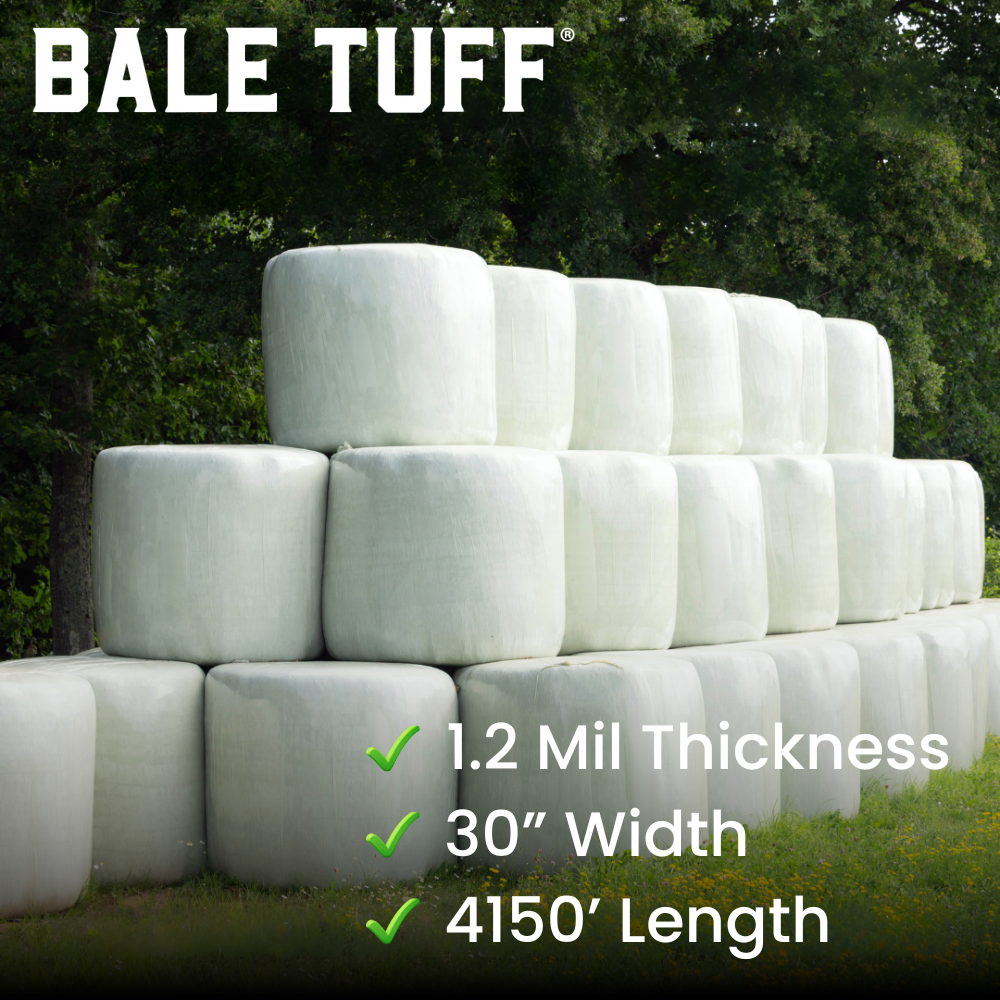
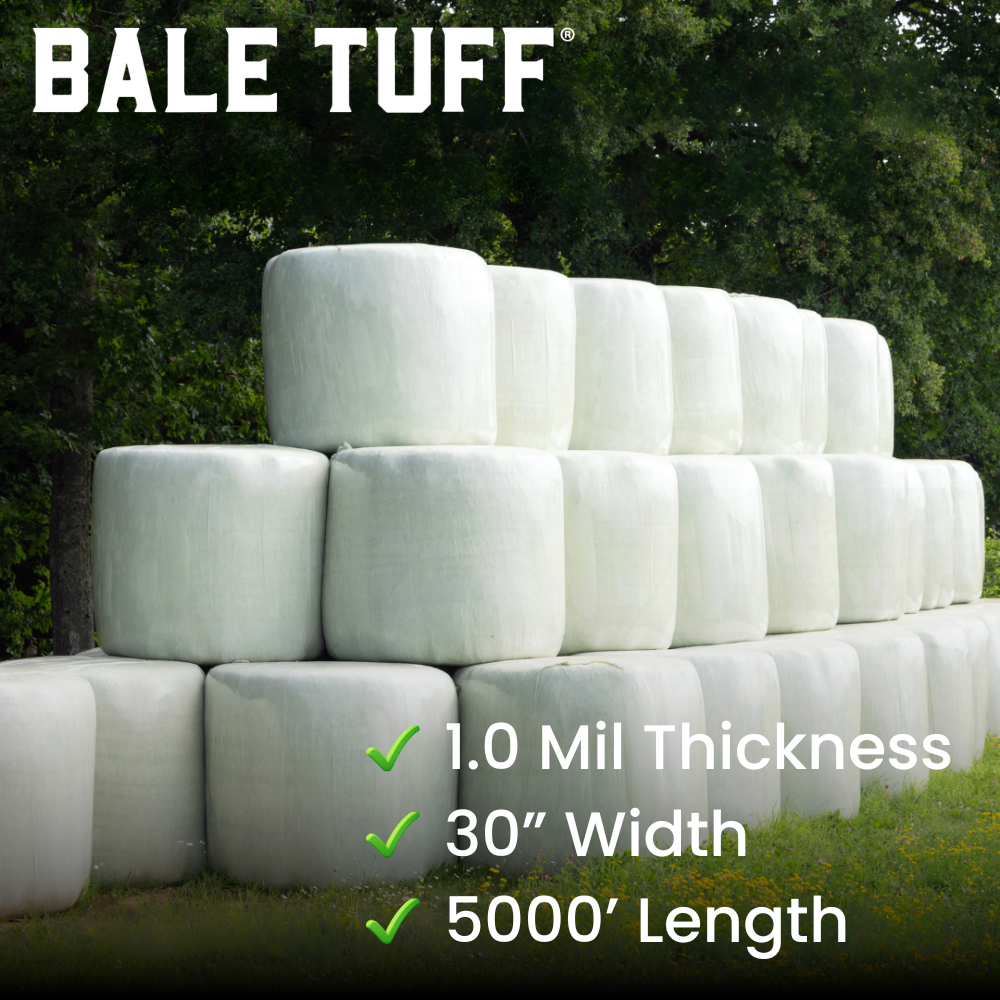
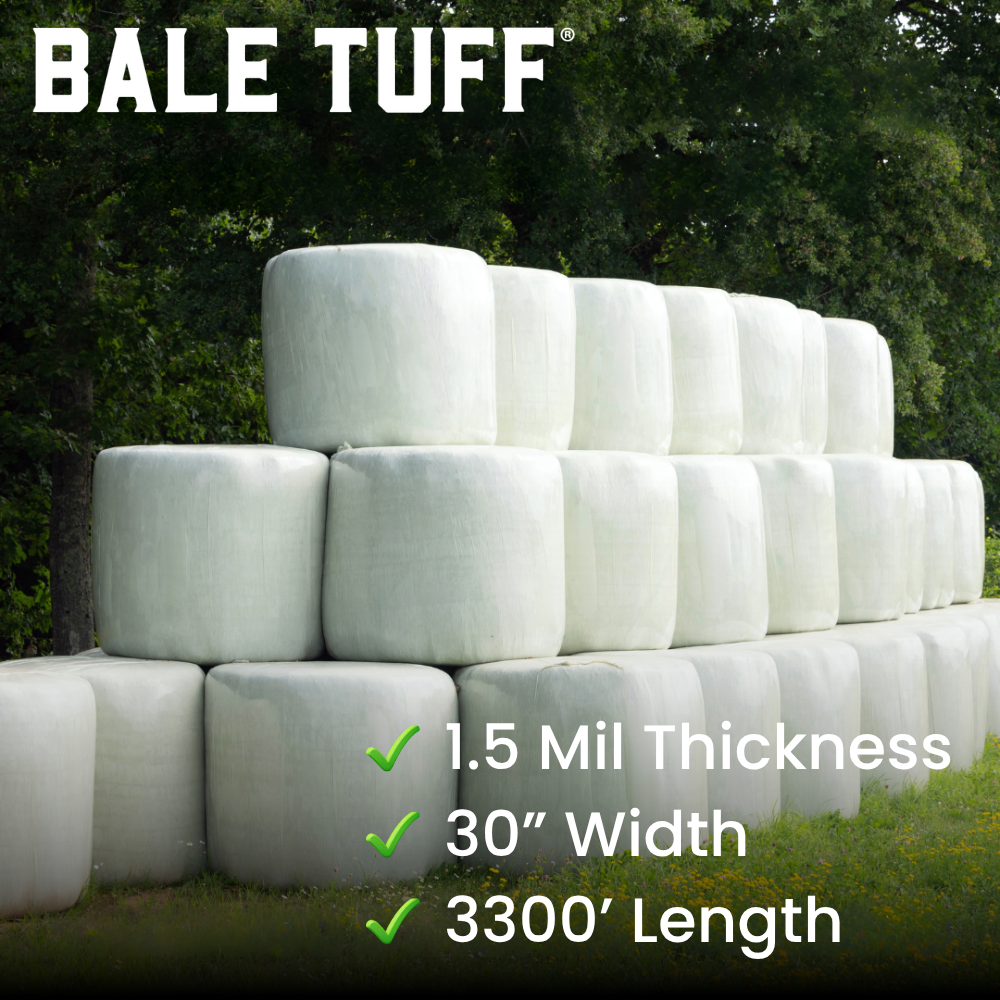
3. Roll Length and Width
Silage wrap rolls typically come in standard sizes such as:
- 20” or 30” widths
- Lengths ranging from 5,000 to 7,500 feet
Longer rolls will naturally wrap more bales.
4. Overlap Percentage
Proper wrapping requires 50% overlap between layers. If overlap is inconsistent or excessive, it can reduce the number of bales per roll.
Consistent machine settings and proper technique help maximize efficiency.
5. Operator Technique and Conditions
Field conditions, terrain, and operator experience can all impact usage. Uneven wrapping, stops and starts, or handling issues can lead to wasted material.
Example Bale Estimates
Here are some rough estimates based on common scenarios:
- 4x5 bales (6 layers): ~25–30 bales per roll
- 5x5 bales (6 layers): ~22–25 bales per roll
- 5x6 bales (6 layers): ~18–22 bales per roll
These numbers can shift depending on wrap quality and machine calibration, but they provide a solid planning baseline.
Why Proper Wrapping Matters
It might be tempting to stretch a roll further by reducing layers—but this can backfire. Too few layers can allow oxygen into the bale, leading to:
- Mold growth
- Nutrient loss
- Spoiled feed
Using the correct number of wraps ensures proper fermentation and protects your investment.
How to Maximize Bales Per Roll
If you want to get the most out of each roll of silage wrap, follow these tips:
- Calibrate your wrapper for consistent overlap
- Maintain proper tension on the film
- Avoid wrapping in extreme wind conditions
- Use high-quality wrap that stretches efficiently
Better technique and better materials both lead to less waste.
Does Wrap Quality Make a Difference?
Absolutely. Higher-quality silage wrap often has better stretch, strength, and cling, which means you can achieve proper coverage without overusing material.
Lower-quality wrap may tear or require additional layers, reducing the total number of bales per roll and increasing overall costs.
Final Thoughts: Planning Your Silage Wrap Needs
So, how many bales will one roll of silage wrap make? For most operations, the answer falls between 20 and 30 bales per roll, depending on bale size, wrap layers, and technique.
By understanding these variables and using proper wrapping practices, you can plan more accurately, reduce waste, and ensure your silage stays protected and high quality throughout the season.


