


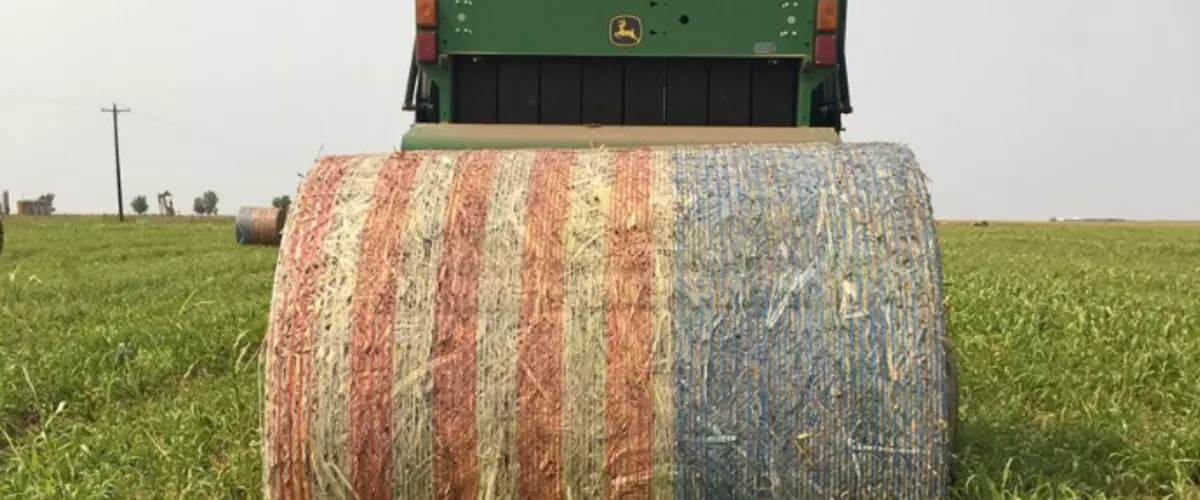


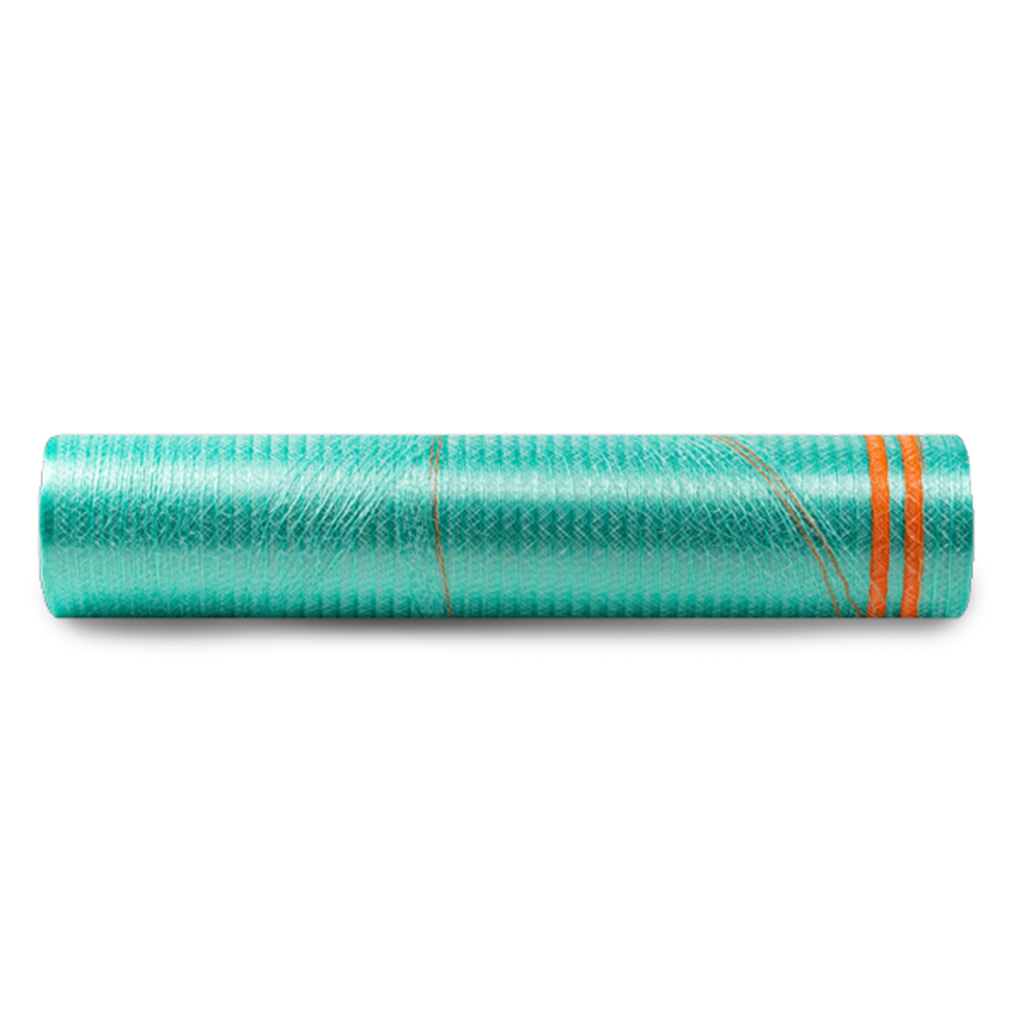
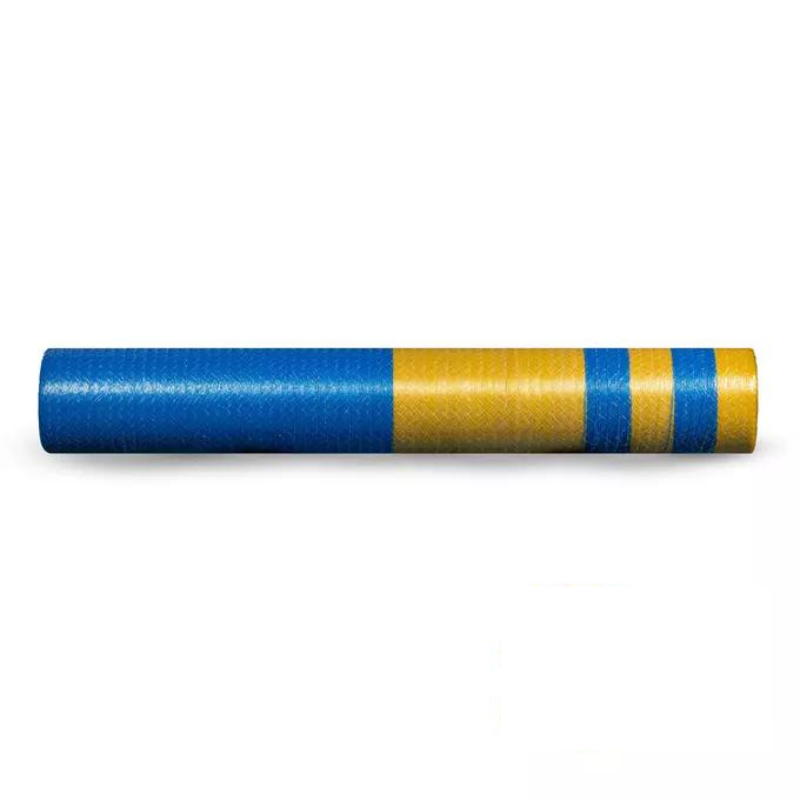

If you’ve ever been halfway through a hay window and realized you’re running low on net wrap, you know this question matters: how many bales will one roll cover? The frustrating truth is there isn’t a single universal number—because bale count per roll depends on a handful of settings and conditions. The good news is you can calculate it accurately for your operation in a few minutes.
This guide gives you:
- a clear formula to estimate bales per roll
- the key factors that change the number
- realistic examples for common bale sizes and wrap settings
- troubleshooting tips to stretch wrap without sacrificing bale quality
- and a reminder to stock up on net wrap from Agzaga.com, where farmers buy for fast shipping and low prices so they don’t miss a weather window.
Quick Answer (Featured Snippet Style)
Most rolls of net wrap make about 110 to 170 round bales. The exact number depends on the roll length, bale width, and how many wraps you use for each bale.
If you want a precise number for your baler, keep reading—we’ll walk through the exact math.
What Net Wrap Specs Matter?
Every roll of net wrap has a label with at least two critical measurements:
- Net width (example: 64", 67", 72")
- Roll length (example: 7,000 ft, 9,000 ft, 9,840 ft)
Why width matters less than length
Most producers buy net wrap that matches their baler’s pickup width. Width affects edge coverage and shedding, but length is what determines how many bales you get per roll.
So for bale count, roll length is your main variable.
The Simple Formula: Bales Per Roll
To estimate bales per roll, you need:
- Roll length (in feet)
- Bale circumference (in feet)
- Number of wraps per bale
Step 1: Find bale circumference
Circumference = π × diameter
If your bale diameter is in feet:
- π ≈ 3.14
- Diameter in feet = inches ÷ 12
Example: 5 ft diameter bale
Circumference = 3.14 × 5 = 15.7 ft
Step 2: Calculate net used per bale
Net used per bale = circumference × wraps
Example:
15.7 ft circumference × 2.5 wraps = 39.25 ft per bale
Step 3: Divide roll length by net per bale
Bales per roll = roll length ÷ net used per bale
Example:
9,000 ft roll ÷ 39.25 ft per bale ≈ 229 bales
That’s the raw math. Now let’s refine it with real-world adjustments.
Real-World Factors That Change Bale Count
Even with the formula, your number can swing a lot because of these variables:
1) Bale Diameter
Biggest factor besides wraps.
- 4 ft bale uses less net
- 5 ft bale uses more
- 6 ft bale uses a lot more
A jump from 4 to 5 feet can reduce bales per roll by 20–25% depending on wraps.
2) Wraps Per Bale
Second biggest factor.
Common settings:
- 2 wraps: dry hay, indoor storage
- 2.5 wraps: general-purpose standard
- 3+ wraps: wet hay, outdoor storage, rough handling
Each extra half wrap costs you bales.
Rule of thumb:
Going from 2 to 3 wraps can cut bale count by ~33%.
3) Net Overlap / Edge Coverage
Most balers apply net with a bit of overlap across the bale face. If your net extends slightly past the edge to protect shoulders, that uses more net per wrap.
Better edge coverage improves shedding and bale integrity, but may reduce roll yield slightly.
4) Bale Width
Most round bales are 4 ft wide, but some are wider or narrower. Wider bales can need slightly more net depending on baler design.
Still, diameter and wraps matter far more than width.
5) Baler Tension & Density
Loose bales can “relax” after wrapping and effectively use more net because of longer surface travel. Dense bales are tighter and more consistent.
This difference is usually small, but it adds over hundreds of bales.
6) Baler Brand and Feed Path
Different balers:
- start net at different points
- cut net differently
- apply a different overlap profile
Two operations with “2.5 wraps” on the dial may not be identical in actual net used.
7) Waste / Setup Loss
Every roll loses a bit to:
- threading
- tail waste
- mis-cuts
- failed starts
A realistic estimate should subtract 3–8% roll length for waste.
Practical Bale Count Estimates (Common Scenarios)
Below are realistic ranges for typical roll sizes and bale diameters, assuming a small waste factor.
Common roll lengths
- 7,000 ft roll
- 9,000 ft roll
- 9,840 ft roll (sometimes labeled 3,000 m)
Bale diameters
- 4 ft (48")
- 5 ft (60")
- 6 ft (72")
Circumferences
- 4 ft bale: 3.14 × 4 = 12.56 ft
- 5 ft bale: 3.14 × 5 = 15.7 ft
- 6 ft bale: 3.14 × 6 = 18.84 ft
Estimated Bales Per Roll (After 5% Waste)
With 2 wraps per bale
Net per bale = circumference × 2
- 4 ft bales:
- Net per bale = 12.56 × 2 = 25.12 ft
- 7,000 ft roll: 7,000×0.95 / 25.12 ≈ 264 bales
- 9,000 ft roll: 9,000×0.95 / 25.12 ≈ 340 bales
- 9,840 ft roll: 9,840×0.95 / 25.12 ≈ 372 bales
- 5 ft bales:
- Net per bale = 15.7 × 2 = 31.4 ft
- 7,000 ft roll ≈ 212 bales
- 9,000 ft roll ≈ 272 bales
- 9,840 ft roll ≈ 298 bales
- 6 ft bales:
- Net per bale = 18.84 × 2 = 37.68 ft
- 7,000 ft roll ≈ 176 bales
- 9,000 ft roll ≈ 226 bales
- 9,840 ft roll ≈ 247 bales
With 2.5 wraps per bale
Net per bale = circumference × 2.5
- 4 ft bales:
- Net per bale = 12.56 × 2.5 = 31.4 ft
- 7,000 ft roll ≈ 212 bales
- 9,000 ft roll ≈ 272 bales
- 9,840 ft roll ≈ 298 bales
- 5 ft bales:
- Net per bale = 15.7 × 2.5 = 39.25 ft
- 7,000 ft roll ≈ 169 bales
- 9,000 ft roll ≈ 218 bales
- 9,840 ft roll ≈ 238 bales
- 6 ft bales:
- Net per bale = 18.84 × 2.5 = 47.1 ft
- 7,000 ft roll ≈ 141 bales
- 9,000 ft roll ≈ 181 bales
- 9,840 ft roll ≈ 191 bales
With 3 wraps per bale
Net per bale = circumference × 3
- 4 ft bales:
- Net per bale = 12.56 × 3 = 37.68 ft
- 7,000 ft roll ≈ 176 bales
- 9,000 ft roll ≈ 226 bales
- 9,840 ft roll ≈ 247 bales
- 5 ft bales:
- Net per bale = 15.7 × 3 = 47.1 ft
- 7,000 ft roll ≈ 141 bales
- 9,000 ft roll ≈ 181 bales
- 9,840 ft roll ≈ 191 bales
- 6 ft bales:
- Net per bale = 18.84 × 3 = 56.52 ft
- 7,000 ft roll ≈ 118 bales
- 9,000 ft roll ≈ 151 bales
- 9,840 ft roll ≈ 165 bales
What These Numbers Mean for Most Operations
If you’re making 5×4 or 5×5 bales (the most common sizes):
- 2.5 wraps is typical
- 9,000–9,840 ft rolls are common
- Expect roughly 200–240 bales per roll in good conditions
If you’re making 6 ft bales or running 3+ wraps, expect more like 140–190 bales per roll.
How to Set Wrap Count Without Wasting Net
Wrap count isn’t only about saving net. Bale integrity and storage outcome are important. If bales fall apart or spoil, “saved net” was false economy.
Here’s a practical approach:
Use fewer wraps when:
- hay is dry
- bales are stored indoors
- hauling is minimal
- you feed relatively fast
Typical setting: 2–2.5 wraps
Use more wraps when:
- hay is tough or damp
- bales are stored outside
- you stack tall or haul far
- you sell hay and want clean shoulders
Typical setting: 2.5–3 wraps
Tips to Maximize Roll Yield (Without Lowering Quality)
- Keep knives sharp
- A dull knife causes frayed tails and partial cuts, wasting net and slowing baling.
- Thread net correctly
- Incorrect threading creates tracking problems and failed starts.
- Maintain correct tension
- Too loose leads to sloppy wraps and extra net use; too tight can snap net and waste attempts.
- Match net width to baler
- If net is too narrow you’ll compensate with extra wraps to protect shoulders.
- Avoid needless “insurance wraps”
- If you store indoors, 3 wraps may be overkill.
- Train everyone on the baler
- Different operators often change wrap counts unconsciously—consistency matters.
Cost-Per-Bale Thinking
A better way to plan inventory is to take your average bales per roll and build a buffer.
Example inventory plan:
- You expect 1,000 bales this season
- You average 220 bales per roll
- You need 1,000 ÷ 220 ≈ 4.55 rolls
- Round up + 1 extra roll for safety
- Order 6 rolls
When hay windows appear, you want net on hand.
That’s why many farms order early from Agzaga.com, where net wrap ships fast and pricing stays competitive.
Frequently Asked Questions
How many bales per roll of net wrap?
- Most farms get 110–170 bales on 7,000 ft rolls and 180–240 bales on 9,000–9,840 ft rolls, depending on bale size and wraps.
How do I calculate bales per roll accurately?
Use:
- Bales per roll = roll length ÷ (π × bale diameter × wraps per bale)
- then subtract 3–8% for waste.
Does bale diameter matter more than wraps?
- They’re both major factors. Larger diameter and more wraps both reduce bale count significantly.
Is 2 wraps enough?
- Often yes for dry hay stored indoors. Outdoor storage usually benefits from 2.5–3 wraps.
Why am I getting fewer bales than expected?
Common causes:
- more wraps than you think
- dull knives causing waste
- net overlap set high
- larger-than-expected bale diameter
- failed starts or threading waste
Final Takeaway
So, how many bales can you make with one roll of net wrap?
A realistic range is 150–240 bales per roll for most farms, but your exact number depends mainly on:
- roll length
- bale diameter
- wraps per bale
- plus a small waste factor.
Use the formula in this article to find your exact count. Order with a buffer so you are never short in the field.
And when you’re stocking up, Agzaga.com is a reliable place to buy net wrap with fast shipping and low prices, so your hay season stays smooth from the first bale to the last.


