


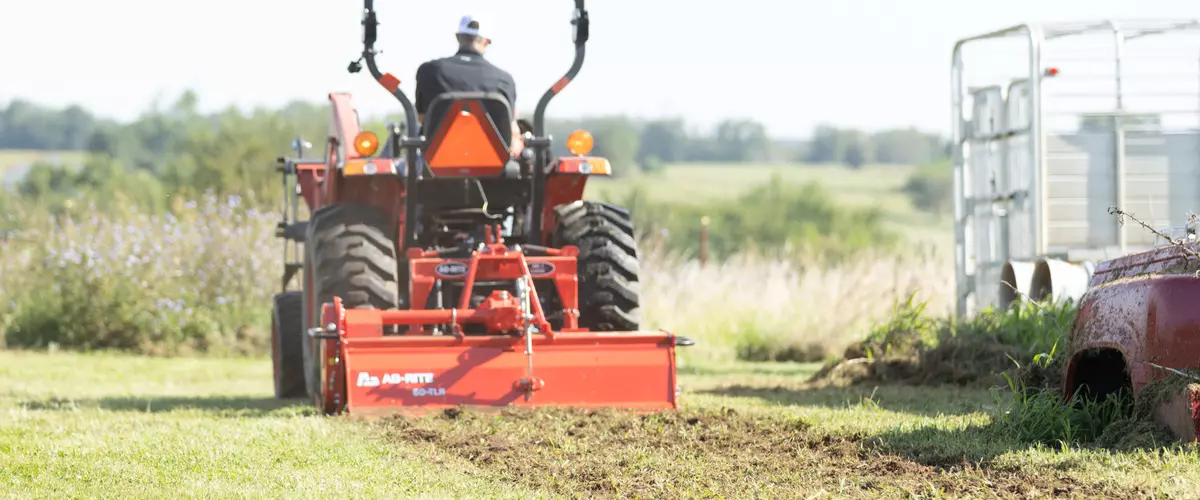


Tilling is one of the most fundamental practices in farming, but many still ask: how is tilling useful in agriculture? The answer lies in its ability to improve soil conditions and create an environment where crops can thrive.
Improving Soil Structure
Tilling helps break up compacted soil, allowing air, water, and nutrients to move more freely. This creates a healthier root zone, which is essential for strong plant growth.
Without proper soil structure, roots may struggle to expand, limiting the plant’s ability to access nutrients and moisture.
Enhancing Nutrient Availability
Another major benefit of tilling is its ability to mix organic matter into the soil. This process helps release nutrients and makes them more accessible to plants.
Over time, this can lead to improved soil fertility and better crop performance.
Weed Control Benefits
Tilling also plays a role in weed management by disrupting weed roots and preventing them from establishing. This reduces competition for nutrients, water, and sunlight.
Ag-Rite Tiller Advantage
The Ag-Rite tiller on Agzaga is designed to maximize these benefits by providing consistent, even soil preparation. Its durability ensures it can handle repeated use across different field conditions.
Final Thoughts
So, how is tilling useful in agriculture? It improves soil structure, enhances nutrient availability, and supports healthier crops—making it a key step in successful farming.


