





If you run a round baler, you’ve likely asked: how does net wrap work on a round baler? Net wrap is one of the most efficient ways to secure bales, improve productivity, and protect your forage. Understanding how it works can help you get better results in the field and reduce time spent baling.
What is Net Wrap?
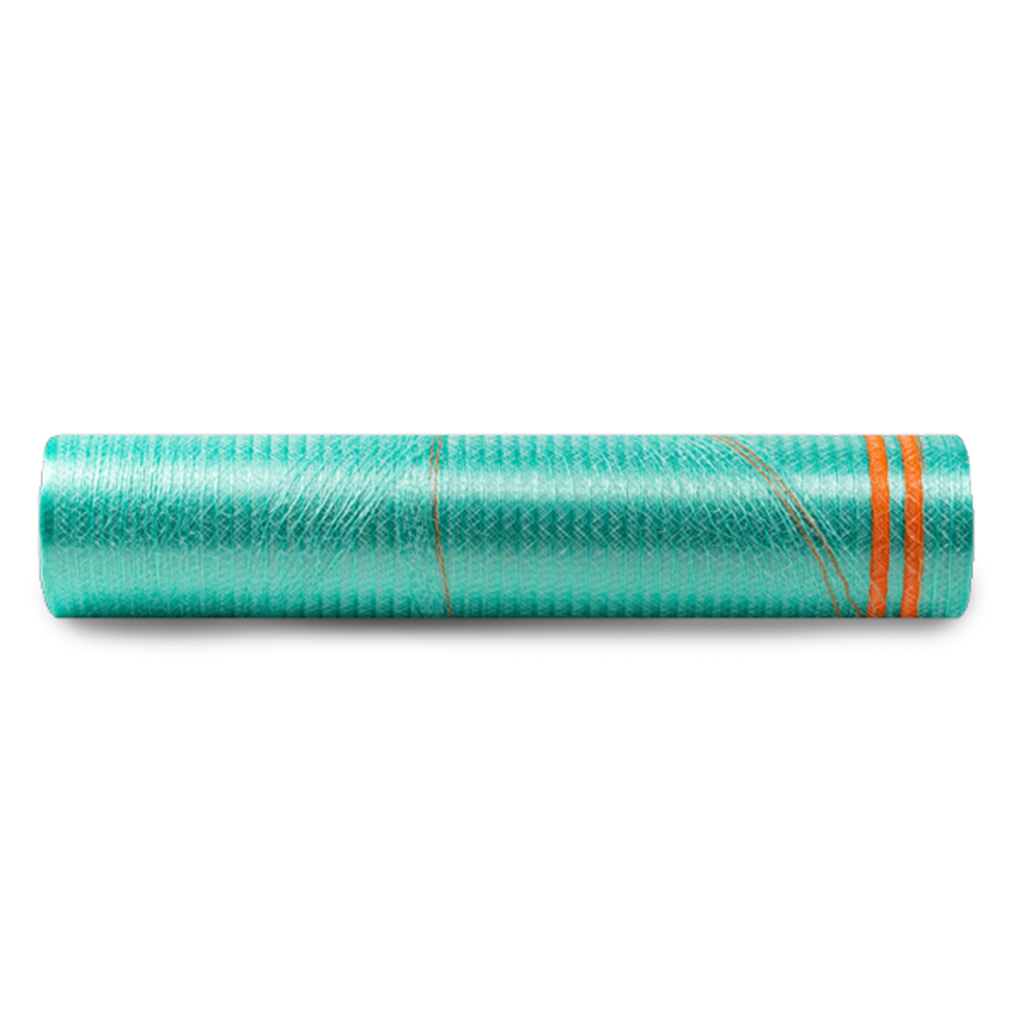
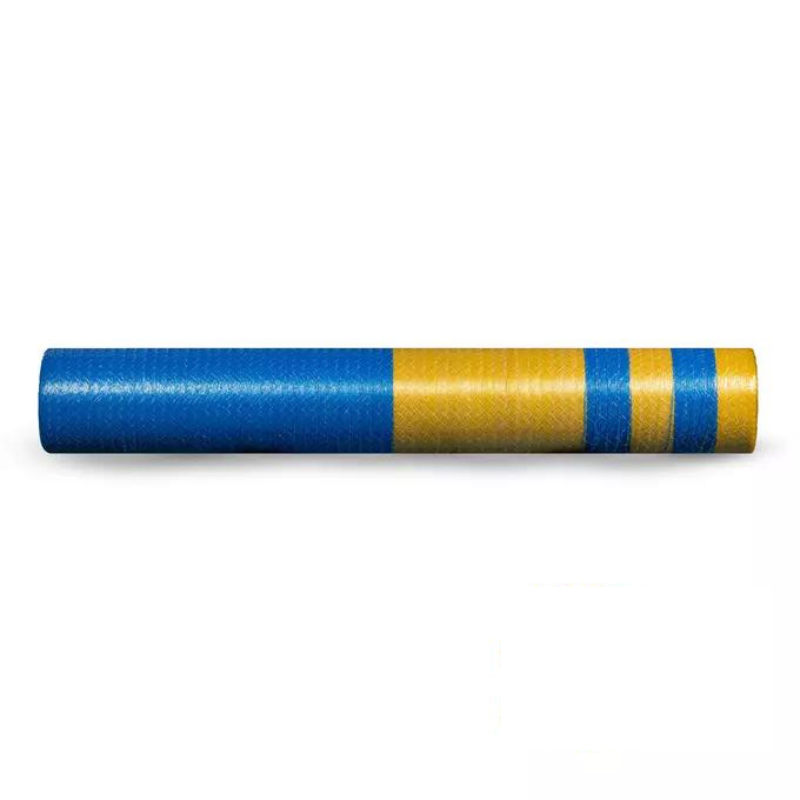
Net wrap is a woven polyethylene material used to bind round bales once they’ve reached the desired size and density. Instead of using traditional twine, net wrap covers the outer surface of the bale, holding it tightly together.
It’s widely used because it speeds up the baling process and produces more uniform, weather-resistant bales.
How the Net Wrap Process Works
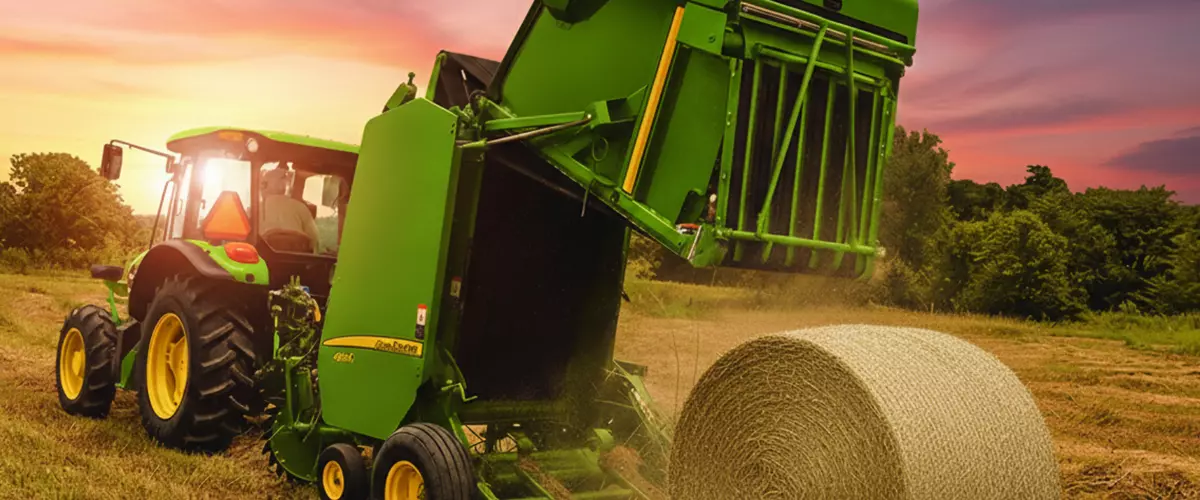
Once a round bale reaches its preset size inside the baler, the machine automatically starts the wrapping process. Here’s how it works step by step:
- The bale stops spinning at full size
- The net wrap system feeds material from the roll into the bale chamber
- The bale rotates, pulling the net wrap around itself
- Multiple layers are applied (typically 2–3 wraps)
- The net is cut and secured before the bale is ejected
This entire process usually takes just a few seconds, making it much faster than twine.
Why Net Wrap Spins With the Bale
The key to how net wrap works is the bale’s rotation. As the bale spins, it naturally pulls the net wrap from the roll and wraps itself evenly. This creates consistent tension across the surface, which helps hold the bale together tightly.
Because of this design, net wrap systems are simple, efficient, and highly reliable.
Benefits of Using Net Wrap
Many farmers prefer net wrap over twine for several reasons:
- Faster baling – Reduces wrapping time significantly
- Improved bale shape – Creates tighter, more uniform bales
- Better weather protection – Sheds water more effectively
- Reduced leaf loss – Helps preserve forage quality
- Easier handling – Bales hold together better during transport
These advantages can save time and improve overall feed value.
How Many Wraps Do You Need?
Most operators use 2 to 3 wraps of net per bale. The exact number depends on:
- Bale size and density
- Crop type (grass vs. alfalfa)
- Storage conditions (inside vs. outside)
More wraps provide extra protection, especially for bales stored outdoors.
Components of a Net Wrap System
A round baler’s net wrap system typically includes:
- A roll holder for the net wrap
- Feed rollers to guide the material
- A tensioning system for consistent application
- A cutting mechanism to trim the net
Keeping these components clean and properly adjusted ensures smooth operation.
Common Issues and How to Avoid Them
While net wrap is reliable, problems can occur if the system isn’t maintained. Common issues include:
- Net tearing or misfeeding
- Uneven wrapping
- Improper cutting
To avoid these problems:
- Use high-quality net wrap
- Keep rollers clean and free of debris
- Check tension settings regularly
- Store net wrap in a dry environment
Why Net Wrap Quality Matters
Not all net wrap performs the same. Lower-quality products may stretch unevenly, tear easily, or fail to provide proper coverage—leading to loose bales and wasted material.
High-quality net wrap ensures:
- Consistent feeding through the baler
- Strong edge-to-edge coverage
- Better protection against weather
For operations looking to maximize efficiency and bale quality, investing in reliable net wrap is just as important as maintaining the baler itself.
Final Thoughts: How Does Net Wrap Work on a Round Baler?
So, how does net wrap work on a round baler? It’s a simple but highly effective system where the bale’s rotation wraps a strong polyethylene net around itself, securing the bale quickly and efficiently.
By understanding the process and using quality materials, you can improve bale consistency, reduce time in the field, and better protect your forage—making net wrap an essential tool in modern hay production.


