


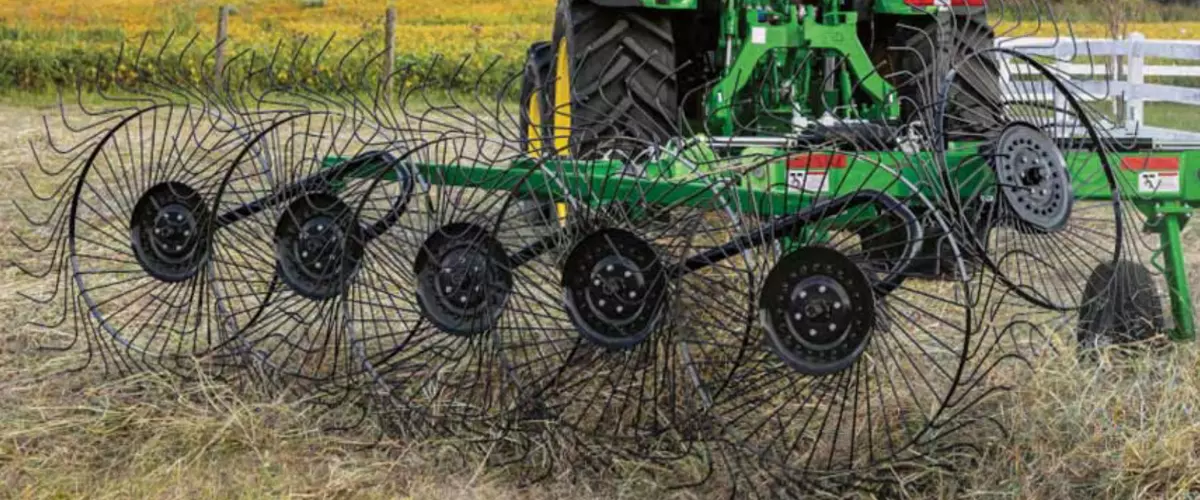


Choosing the right rake wheel size is one of the most important decisions you can make when maintaining or upgrading your hay equipment. If you’ve ever asked yourself, how do I know what rake wheel size to get?—you’re not alone. With multiple sizes, styles, and compatibility factors to consider, it can feel overwhelming. The good news is that with a few key measurements and considerations, you can confidently select the right fit for your operation.
Why Rake Wheel Size Matters
Rake wheel size directly impacts how your hay rake performs in the field. The diameter of the wheel affects how aggressively it gathers hay, how well it follows ground contours, and how efficiently it builds windrows. Using the wrong size can lead to poor raking performance, uneven windrows, and increased wear on your equipment.
In short, the correct rake wheel size ensures optimal efficiency, better hay quality, and fewer breakdowns during critical harvest windows.
Step 1: Check Your Current Rake Wheel Size
The easiest way to determine what size you need is to measure your existing rake wheel. Most rake wheels are measured by diameter, typically ranging from 55 inches to 60 inches, with some variations depending on the manufacturer.
To measure:
- Measure straight across the center of the wheel (edge to edge)
- Do not include the teeth when measuring
- Confirm whether the measurement matches standard sizes like 55” or 60”
If your current wheel performed well, sticking with the same size is usually the safest option.
Step 2: Identify Your Rake Model and Brand
Different rake manufacturers design their equipment to work with specific wheel sizes and hub configurations. Before purchasing a replacement, identify:
- Your rake’s brand (Vermeer, H&S, John Deere, etc.)
- Model number
- Hub style and bolt pattern
This ensures compatibility and prevents costly mistakes. Even if two wheels are the same diameter, differences in hub design can make them incompatible.
Step 3: Consider Field Conditions and Crop Type
Your field conditions play a big role in determining the ideal rake wheel size. Larger wheels (like 60”) tend to perform better in rough or uneven terrain because they follow ground contours more smoothly. They also work well in heavier crops.
Smaller wheels (like 55”) can be more responsive and may work well in lighter crops or smoother fields. However, they may not handle uneven ground as effectively.
Step 4: Think About Performance Goals
Ask yourself what you want to improve in your operation:
- Better ground contact? Larger wheels help maintain consistent contact
- Cleaner hay? Proper sizing reduces dirt contamination
- Faster operation? Matching the correct size improves efficiency
The right size isn’t just about fit—it’s about performance.
Step 5: Don’t Overlook Tooth Count and Design
While size is important, tooth count and wheel design also matter. Some rake wheels have more teeth for finer raking, while others are designed for durability in tougher conditions. Make sure your replacement wheel matches both the size and the performance characteristics you need.
Why Fit and Quality Matter
Even if you choose the correct size, poor-quality rake wheels can lead to premature wear, bending, or inconsistent windrows. That’s why it’s important to choose a trusted replacement option.
Agzaga’s Perfect Fit rake wheels are designed to eliminate the guesswork. Built for compatibility across major rake brands, they ensure proper sizing, reliable performance, and long-lasting durability. Whether you’re replacing a worn-out wheel or upgrading your setup, Perfect Fit rake wheels help you get back in the field with confidence.
Common Mistakes to Avoid
When selecting a rake wheel size, avoid these common errors:
- Guessing the size instead of measuring
- Ignoring hub compatibility
- Choosing based on price alone instead of quality
- Overlooking field conditions and crop type
Taking a few extra minutes to verify your specifications can save hours of frustration later.
Final Thoughts: Getting the Right Rake Wheel Size
So, how do you know what rake wheel size to get? It comes down to measuring your current wheel, confirming compatibility with your rake, and considering your field conditions and performance goals.
By choosing the correct size—and investing in a quality option like Agzaga’s Perfect Fit rake wheels—you’ll ensure smoother operation, better windrows, and a more efficient hay season.


