


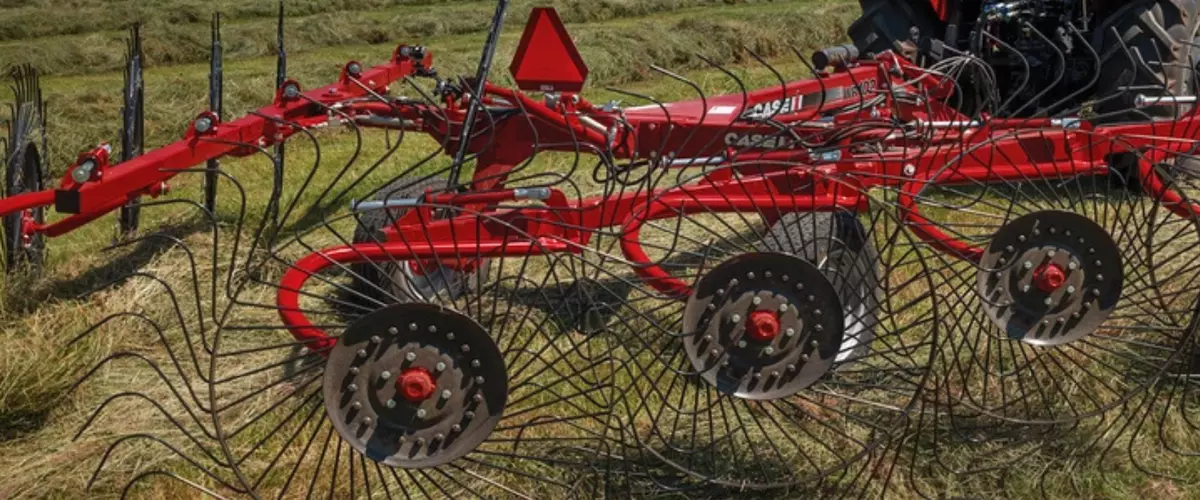





When it comes to hay production, one of the most common questions farmers ask is: are rake wheels any good? The short answer is yes—but like any piece of equipment, it depends on your operation, field conditions, and expectations. Rake wheels (commonly used on wheel rakes) are one of the most popular and widely used hay raking solutions in the United States, and for good reason.
What Do Rake Wheels Actually Do?
Rake wheels are part of a wheel rake system designed to gather cut hay into windrows for baling. As the tractor pulls the rake forward, the wheels rotate along the ground, using spring teeth to sweep hay into neat rows. This process helps improve drying, reduce moisture, and prepare the crop for efficient baling.
Because they are ground-driven, rake wheels don’t require PTO power, making them simple and cost-effective to operate.
The Advantages of Rake Wheels
One of the biggest reasons farmers choose rake wheels is their simplicity. Wheel rakes are easy to operate, require minimal maintenance, and are typically more affordable than other rake types.
They are also highly efficient in the field. Rake wheels can cover large areas quickly, making them ideal for bigger operations or anyone looking to save time during tight haying windows. Their versatility allows them to handle a variety of crops, including grass and alfalfa.
Another key benefit is speed. Wheel rakes can operate at higher ground speeds compared to other rake styles, helping producers get more done in less time—especially important when weather is unpredictable.
The Downsides of Rake Wheels
While rake wheels are a great option, they’re not perfect. One common drawback is that they can introduce dirt or debris into the hay because the wheels contact the ground directly.
Studies have also shown that wheel rakes can result in higher ash content in hay, which may reduce feed quality in certain situations.
Additionally, wheel rakes tend to perform best in dry hay conditions. In wetter or heavier crops, other rake types like rotary or belt rakes may produce fluffier, cleaner windrows.
How Do Rake Wheels Compare to Other Rake Types?
Compared to bar rakes or rotary rakes, rake wheels are generally the most budget-friendly and easiest to maintain. They don’t rely on hydraulics or PTO systems, which keeps operating costs low.
However, rotary rakes often provide better control and gentler handling of hay, which can preserve leaf quality. Bar rakes, on the other hand, offer precision but may not match the speed and efficiency of wheel rakes.
In short, rake wheels excel in simplicity and efficiency, while other rake types may outperform them in premium hay quality scenarios.
Are Rake Wheels Right for Your Operation?
Rake wheels are an excellent choice for:
- Large acreage operations needing speed and efficiency
- Farmers looking for a low-maintenance, cost-effective solution
- Dry hay conditions where contamination risk is minimal
They may not be the best fit if you prioritize top-tier forage quality or frequently work in wet conditions.
Why Quality Rake Wheels Matter
Not all rake wheels are created equal. The performance of your rake depends heavily on the durability, fit, and design of the wheels themselves. Poor-quality rake wheels can lead to uneven windrows, increased wear, and downtime during critical harvest periods.
That’s where Agzaga’s Perfect Fit rake wheels stand out. Designed specifically for durability and compatibility, they offer a reliable replacement option that ensures your rake performs exactly how it should. With a focus on consistent fitment and long-lasting materials, Agzaga’s Perfect Fit brand helps reduce maintenance headaches and keeps you running in the field longer.
Final Verdict: Are Rake Wheels Any Good?
Yes—rake wheels are a solid, proven solution for hay producers. They’re affordable, efficient, and easy to maintain, making them one of the most popular choices in modern haymaking. While they may not deliver the absolute highest forage quality in every situation, they strike an excellent balance between performance and value.
For most farmers, especially those managing larger fields or working within tight weather windows, rake wheels are more than “good”—they’re essential.


